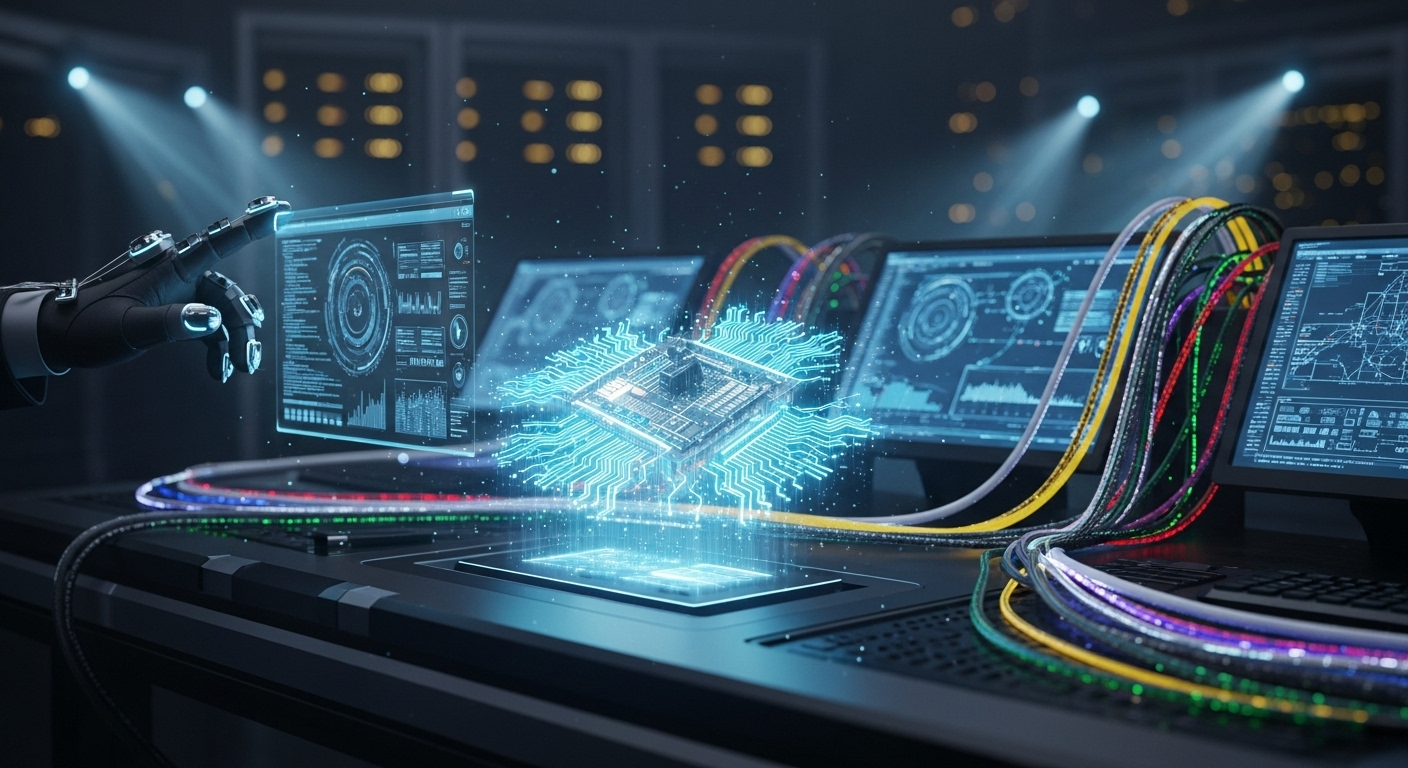
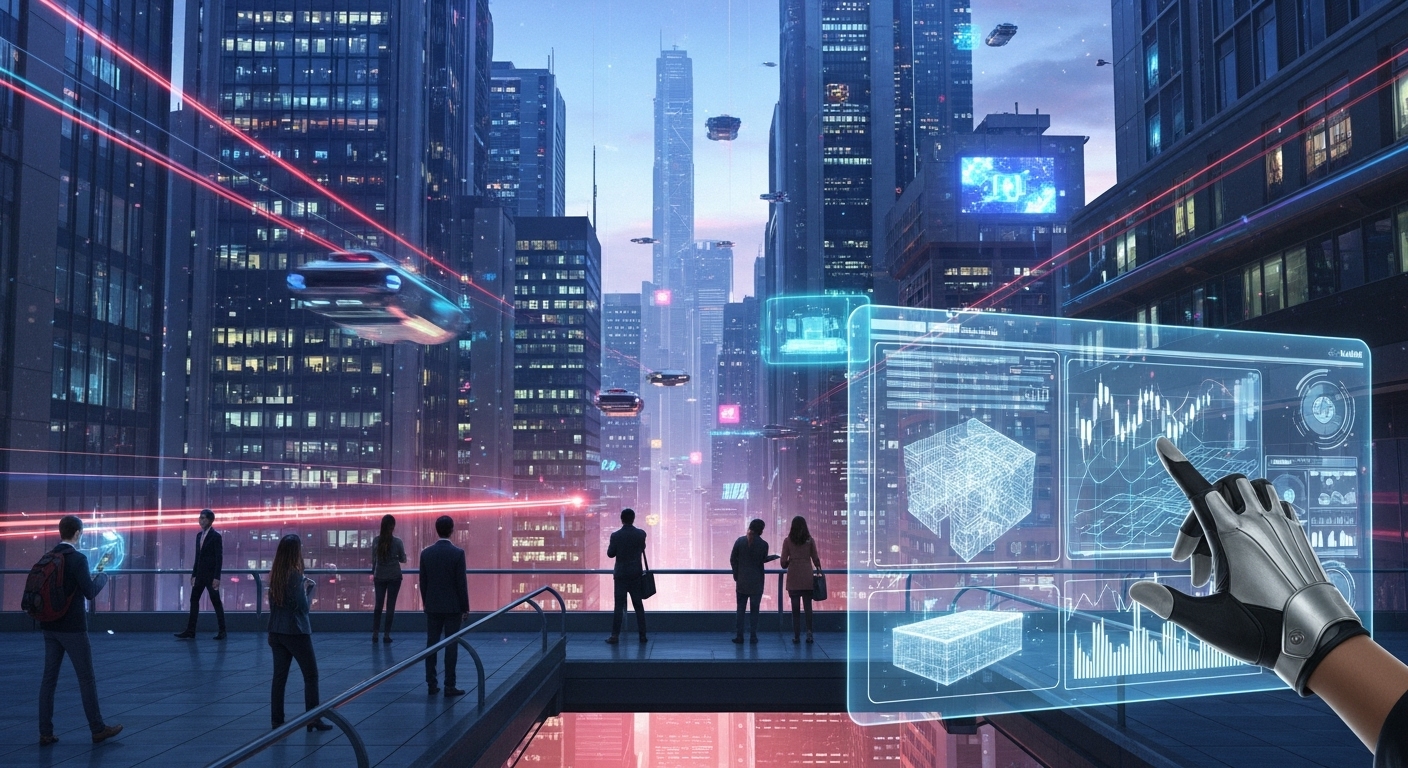
Technology has evolved beyond being just a convenience. It has become a fundamental force driving human progress, innovation, and societal change. Every sector—from communication to healthcare, education to entertainment, business to transportation—is experiencing unprecedented transformation due to technological advancements. Emerging technologies are not only enhancing efficiency and accessibility but are also redefining how humans interact with the world and each other.
This blog explores the multifaceted impact of technology, the rise of disruptive innovations, and how these advancements are shaping the future of humanity.
The Technological Revolution: From Past to Present
Humanity has always innovated to overcome challenges, starting with simple tools and evolving through major technological milestones. The Industrial Revolution introduced mechanized production, creating cities, industries, and economies that transformed everyday life. In the 20th century, electronics, computers, and telecommunications laid the foundation for the digital era, making global connectivity possible.
Today, we are in the midst of a new technological revolution. Unlike previous eras, the speed and scale of change are unprecedented. Innovations in artificial intelligence, robotics, virtual reality, blockchain, and biotechnology are reshaping the social, economic, and cultural landscape. These technologies are not limited to industry—they impact daily life, education, healthcare, communication, and entertainment.
The integration of technology into daily life has created a world where information is instant, services are highly automated, and interactions are increasingly digital.
Artificial Intelligence: The Brain of Modern Technology
Artificial intelligence, or AI, represents one of the most transformative forces of the modern era. AI systems are designed to simulate human intelligence, performing tasks such as learning, reasoning, problem-solving, and decision-making. Machine learning, a branch of AI, allows systems to learn from data, improving over time without human intervention.
AI applications are vast. In healthcare, AI-powered systems enhance diagnostics, predict disease risks, and assist in creating personalized treatment plans. Algorithms can analyze vast datasets of medical images, identifying conditions such as cancer or heart disease with unprecedented accuracy. AI also helps in drug development, reducing research time and cost by predicting molecular interactions.
In business, AI drives customer engagement, operational efficiency, and strategic decision-making. Chatbots provide instant assistance, while predictive analytics anticipate consumer behavior, helping companies target products more effectively. AI in manufacturing ensures precision, monitors production lines, and predicts maintenance needs, enhancing efficiency.
Despite the advantages, AI raises ethical questions. Algorithmic bias, privacy concerns, and the potential replacement of human jobs are critical issues that require careful management to ensure AI benefits society fairly and responsibly.
Blockchain: The Technology of Transparency and Security
Blockchain is a decentralized ledger technology that ensures security, transparency, and immutability of data. Initially developed to power cryptocurrencies, blockchain’s potential extends far beyond financial applications.
Each transaction in a blockchain is recorded as a “block,” linked to previous blocks, creating a secure chain that is difficult to alter. This structure provides trust without the need for intermediaries, making blockchain useful for finance, supply chains, governance, and healthcare.
In financial sectors, blockchain enables fast, secure, and transparent transactions, reducing the need for banks as intermediaries. Smart contracts, self-executing digital agreements, automate business processes and enforce compliance without manual oversight.
Blockchain also improves supply chain transparency, allowing consumers and businesses to trace products from origin to sale. In healthcare, blockchain secures patient records, ensuring data integrity and privacy. This technology represents a shift towards decentralization, promoting trust, efficiency, and accountability in digital ecosystems.
Virtual and Augmented Reality: Immersive Experiences
Virtual reality (VR) and augmented reality (AR) are transforming human experiences. VR immerses users in fully digital environments, creating interactive and lifelike simulations. AR overlays digital information onto the physical world, enhancing real-world experiences with contextual data.
In gaming and entertainment, VR offers immersive gameplay, while AR enables interactive storytelling and creative experiences. Education also benefits: virtual classrooms allow students to explore historical events, conduct laboratory experiments, or practice medical procedures in safe, simulated environments.
Medical professionals use VR and AR for surgical training, rehabilitation, and visualization of complex anatomy. Even industries like real estate and retail employ these technologies for virtual tours, product demonstrations, and immersive marketing campaigns.
The combination of VR, AR, and AI will continue to redefine human experiences, creating highly personalized, interactive, and engaging digital environments.
Internet of Things: A Connected World
The Internet of Things (IoT) refers to a network of interconnected devices capable of collecting, sharing, and acting on data. From smart homes to industrial machinery, IoT devices enhance efficiency, monitoring, and automation.
In households, smart devices control lighting, temperature, and security, optimizing energy usage and convenience. In urban environments, IoT supports smart city initiatives, including intelligent traffic management, environmental monitoring, and waste management.
Industries utilize IoT for predictive maintenance, supply chain optimization, and operational efficiency. Sensors in machines detect performance deviations and alert operators before failures occur, reducing downtime and costs.
The IoT ecosystem requires robust cybersecurity to prevent data breaches and ensure safe operation. Despite challenges, IoT continues to expand, making everyday life smarter, safer, and more interconnected.
Robotics and Automation: Redefining Industries
Robotics and automation technologies have transformed industries ranging from manufacturing to healthcare. Robots perform repetitive tasks with precision and speed, while advanced AI-driven robots handle complex, adaptive operations.
In manufacturing, collaborative robots work alongside humans, increasing production efficiency and reducing errors. Logistics and warehousing benefit from automated sorting, packing, and delivery systems, streamlining global supply chains.
Healthcare uses robotic surgery, rehabilitation devices, and autonomous diagnostic systems to enhance patient care. Even everyday life experiences automation through smart assistants, self-checkout systems, and autonomous vehicles.
While robotics increases productivity, it also raises questions about workforce displacement and skill adaptation. Reskilling programs are essential to ensure human workers remain relevant in a technology-driven economy.
Biotechnology: The Intersection of Biology and Technology
Biotechnology applies technology to biological systems, creating breakthroughs in healthcare, agriculture, and environmental management. Gene editing tools like CRISPR allow precise modification of DNA, enabling treatments for genetic diseases, personalized medicine, and improved crop yields.
Bioinformatics and AI accelerate drug discovery, optimizing molecular research and reducing development time. Wearable health devices provide continuous monitoring of vital signs, empowering individuals to take proactive measures for their health.
Telemedicine platforms and robotic-assisted procedures improve access to medical care, particularly in remote regions. Biotechnology combined with digital technology promises a future of highly personalized healthcare and innovative solutions to global challenges.
Cybersecurity: Protecting a Digital World
As digital technology permeates every aspect of life, cybersecurity has become a critical priority. Cyber threats such as ransomware, phishing, and data breaches threaten individuals, corporations, and governments.
Advanced security measures, including encryption, AI-driven threat detection, multi-factor authentication, and blockchain-based security systems, protect data integrity and prevent unauthorized access.
Individuals must also adopt digital hygiene practices, such as strong passwords, regular software updates, and cautious online behavior. Ethical data usage and robust cybersecurity policies are essential to maintain trust in digital systems.
The balance between innovation and security is central to sustaining a safe digital ecosystem.
Renewable Energy and Sustainable Technology
Technology plays a pivotal role in addressing environmental challenges. Renewable energy sources such as solar, wind, and hydroelectric power are transforming energy generation, reducing reliance on fossil fuels, and mitigating climate change.
Energy storage innovations, smart grids, and IoT-enabled energy monitoring optimize efficiency and reduce waste. Electric vehicles, sustainable construction materials, and precision agriculture technologies contribute to environmental preservation and long-term sustainability.
The integration of AI, IoT, and renewable energy creates intelligent systems that monitor usage, optimize resources, and provide actionable insights for sustainable living. Technology empowers individuals, businesses, and governments to embrace greener practices.
Education and Lifelong Learning
Education has been profoundly transformed by technology. E-learning platforms, virtual classrooms, and digital resources make learning accessible, interactive, and personalized. AI-driven tools assess student progress, providing adaptive learning experiences tailored to individual needs.
Virtual reality and augmented reality enable immersive simulations, allowing students to conduct experiments, explore historical sites, or practice skills in a controlled environment. Gamification enhances engagement and encourages continuous learning.
Lifelong learning has become essential in a rapidly evolving digital landscape. Professionals leverage online courses, digital certifications, and skills development programs to remain competitive in the modern workforce.
Technology in Entertainment
Entertainment has been revolutionized by digital technology. Streaming platforms allow on-demand access to movies, music, and games, while AI-driven recommendation systems enhance personalization. Video games and esports have become mainstream cultural phenomena, combining storytelling, interactivity, and competition.
Virtual reality and augmented reality offer immersive experiences, from concerts to interactive narratives. AI and machine learning contribute to content creation, automated editing, and dynamic storytelling. Technology has turned entertainment into a highly engaging, interactive, and global industry.
Challenges of Rapid Technological Advancement
While technology brings tremendous benefits, it also presents challenges. Ethical concerns, including AI bias, privacy violations, and job displacement, require careful consideration. Cybersecurity risks, digital addiction, and misinformation are persistent issues.
Digital inequality remains a global problem, as marginalized communities often lack access to essential technologies. Policies promoting inclusivity, education, and digital literacy are crucial for equitable technological progress.
Balancing innovation with responsibility, privacy, and security is critical to ensure technology serves society in a sustainable and ethical manner.
The Future of Technology
The future of technology is defined by interconnected systems, intelligent automation, and immersive experiences. Artificial intelligence, quantum computing, virtual reality, blockchain, IoT, and biotechnology will continue to transform industries and society.
Quantum computing promises to revolutionize problem-solving, data processing, and encryption, tackling complex challenges beyond the scope of traditional computers. AI will integrate further into daily life, offering personalized insights and autonomous systems. Virtual reality and augmented reality will redefine interaction, entertainment, and education.
Sustainability, ethics, and cybersecurity will remain central to technological adoption. Societies must ensure responsible innovation, equitable access, and human-centered design to maximize benefits.
Conclusion
Technology has become the defining force of modern life. It impacts communication, transportation, healthcare, education, business, entertainment, and sustainability. Emerging technologies such as AI, blockchain, VR, AR, IoT, robotics, and biotechnology are transforming the way humans interact with the world.
While challenges such as ethical use, cybersecurity, and digital inequality remain, the potential benefits of technology are immense. It empowers humans to solve complex problems, improve quality of life, and expand possibilities in every sector.
As society continues to integrate cutting-edge innovations into daily life, technology will remain a catalyst for progress, shaping a future where human potential and technological advancement work hand in hand. The journey beyond the screen has only just begun, and its impact will be felt for generations to come.