Technology has fundamentally reshaped every aspect of human life over the past few decades. From the way we communicate and work to the ways we entertain ourselves and access information, technology has become an inseparable part of our existence. The rapid pace of innovation has created both opportunities and challenges, driving societies toward efficiency and connectivity while also raising questions about privacy, ethics, and sustainability. In this blog, we will explore the multifaceted impact of technology, focusing on major areas such as artificial intelligence, communication, healthcare, entertainment, transportation, and cybersecurity.
The Evolution of Technology
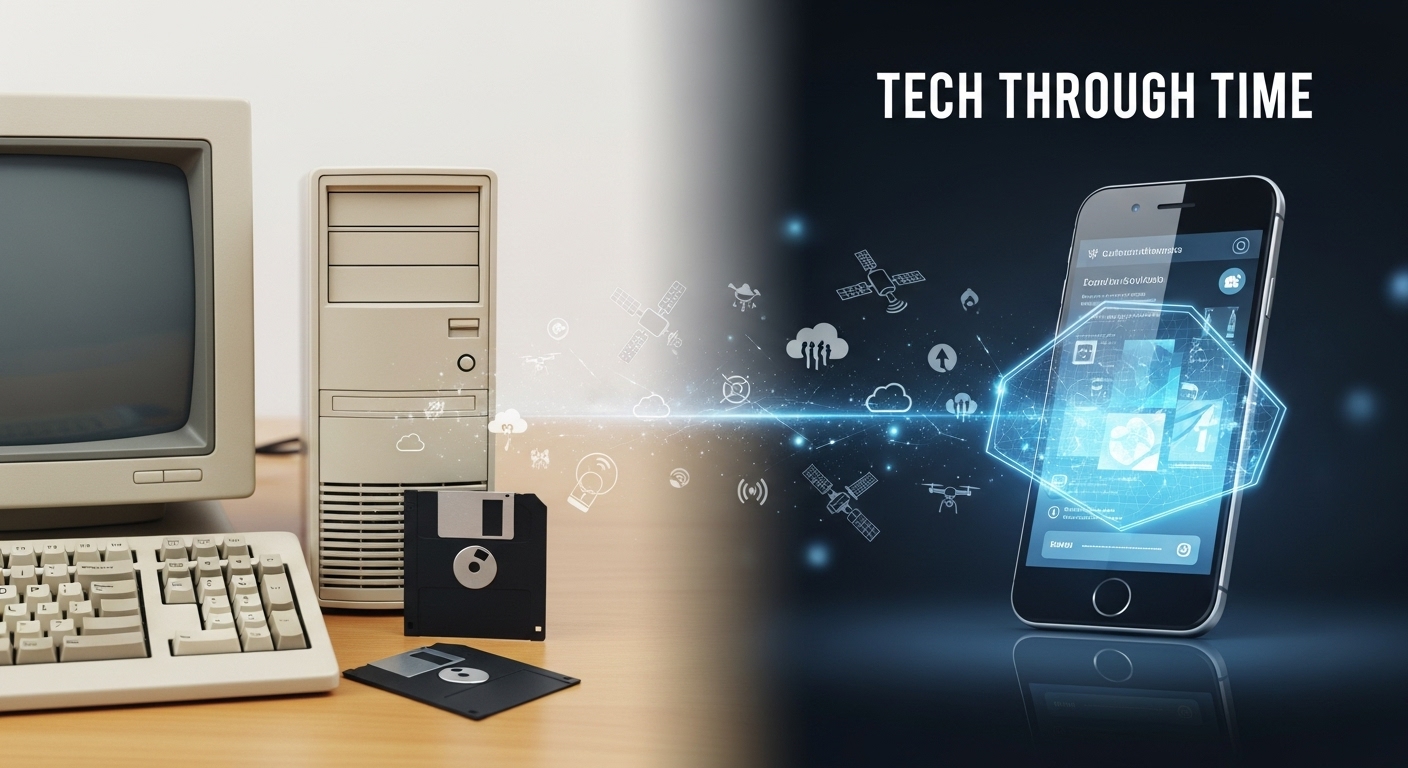
Technology is not a new phenomenon; it has been evolving since the dawn of civilization. Early inventions such as the wheel, fire, and simple tools laid the foundation for modern innovation. However, the last century has witnessed exponential growth, transforming human life in ways unimaginable to previous generations. The invention of electricity, the telephone, the computer, and the internet marked revolutionary milestones, enabling rapid information exchange and the automation of complex tasks. Today, technological evolution continues at an unprecedented rate, driven by computing power, connectivity, and data analysis.
Artificial Intelligence: The Brain Behind Modern Technology
One of the most transformative areas in technology today is artificial intelligence (AI). AI refers to the ability of machines to perform tasks that traditionally required human intelligence, such as decision-making, language understanding, and pattern recognition. Machine learning, a subset of AI, allows systems to learn from data and improve over time without explicit programming. This has paved the way for innovations in healthcare, finance, autonomous vehicles, and customer service.
For example, AI-powered diagnostic tools are revolutionizing healthcare by analyzing medical images faster and more accurately than human doctors in some cases. AI algorithms also help financial institutions detect fraudulent transactions in real time, safeguarding billions of dollars. Beyond practical applications, AI is shaping the development of virtual assistants, smart home devices, and personalized digital experiences, making technology more intuitive and integrated into daily life.
Communication in the Digital Age
Communication technology has undergone a radical transformation in the last few decades. From handwritten letters and landline phones to instant messaging, video calls, and social media, the way humans interact has fundamentally changed. Mobile technology and the internet have connected billions of people worldwide, breaking down geographical barriers and enabling real-time communication across continents.
Social media platforms have not only changed personal interactions but have also become essential tools for businesses, governments, and activists. They facilitate information dissemination, marketing campaigns, and community building. Additionally, advancements in video conferencing and collaboration tools have redefined workplace communication, enabling remote work and global collaboration with unprecedented efficiency.
Healthcare Innovation Through Technology
Technology has dramatically improved healthcare outcomes by enabling more accurate diagnostics, personalized treatment plans, and better patient monitoring. Wearable devices, such as smartwatches and fitness trackers, allow individuals to monitor vital signs, track activity levels, and detect early warning signs of health issues. Telemedicine has made healthcare accessible to remote populations, providing virtual consultations and follow-ups that reduce travel and waiting times.
Medical research has also benefited from computational power, AI, and big data. These tools help researchers analyze vast datasets to identify new drug candidates, predict disease patterns, and simulate clinical trials. Robotics is another significant area of impact, with surgical robots enabling minimally invasive procedures, reducing recovery times, and improving patient outcomes.
Entertainment and Media in the Tech Era
The entertainment industry has been profoundly influenced by technology. Streaming platforms, digital content creation tools, and immersive experiences such as virtual reality (VR) and augmented reality (AR) have transformed how people consume and interact with media. AI-driven recommendation systems personalize content based on user preferences, enhancing engagement and satisfaction.
Gaming technology has also evolved, offering realistic graphics, responsive gameplay, and cloud-based services that allow players to access games across multiple devices. VR and AR are expanding possibilities in gaming, education, and training by creating immersive experiences that bridge the gap between physical and digital worlds. The convergence of AI, VR, and high-speed internet is creating entirely new forms of entertainment that were once considered science fiction.
Transportation and Mobility in the Age of Innovation
Transportation technology is another area experiencing rapid transformation. Electric vehicles (EVs) are gaining popularity as sustainable alternatives to traditional internal combustion engines, reducing carbon emissions and dependence on fossil fuels. Autonomous vehicles, powered by AI and sensors, promise to improve road safety, reduce traffic congestion, and transform logistics and delivery systems.
High-speed rail networks, hyperloop concepts, and innovations in urban mobility, such as electric scooters and shared autonomous shuttles, are redefining how people move in cities. Technology is also optimizing supply chains through real-time tracking, route optimization, and predictive analytics, making transportation more efficient and responsive to consumer demands.
Cybersecurity in a Connected World
As technology becomes increasingly integrated into daily life, cybersecurity has emerged as a critical concern. Cyberattacks, data breaches, and digital fraud threaten individuals, businesses, and governments. Protecting digital assets requires advanced encryption, secure authentication methods, and proactive monitoring of networks for suspicious activity.
Artificial intelligence is playing a dual role in cybersecurity. On one hand, AI tools detect anomalies and respond to cyber threats faster than traditional methods. On the other hand, AI can be exploited by cybercriminals to automate attacks or bypass security systems. This ongoing technological arms race highlights the importance of continuous innovation, awareness, and collaboration in safeguarding digital infrastructure.
The Role of Big Data and Analytics
Big data refers to the vast volumes of structured and unstructured information generated every second from various sources, including social media, sensors, e-commerce, and enterprise systems. Data analytics involves extracting meaningful insights from this information to inform decisions, improve processes, and drive innovation.
Businesses leverage big data to understand consumer behavior, optimize operations, and predict market trends. In healthcare, big data analytics enables predictive modeling for disease outbreaks, treatment effectiveness, and population health management. Governments use data analytics to improve public services, transportation planning, and disaster response. The ability to harness data effectively has become a cornerstone of technological advancement and competitive advantage.
Emerging Technologies Shaping the Future
Several emerging technologies promise to reshape society in the coming years. Quantum computing, for example, has the potential to solve complex problems that are currently impossible for classical computers. This could revolutionize cryptography, materials science, and drug discovery.
Blockchain technology is transforming finance, supply chains, and digital identity verification by enabling secure, decentralized, and transparent transactions. Meanwhile, biotechnology advancements, such as CRISPR gene editing, are pushing the boundaries of medical science, agriculture, and environmental management.
Edge computing, 5G networks, and the Internet of Things (IoT) are creating a more connected and responsive digital ecosystem. Smart cities, intelligent infrastructure, and autonomous systems will rely on these technologies to improve efficiency, sustainability, and quality of life.
Ethical and Societal Implications of Technology
While technology offers immense benefits, it also raises significant ethical and societal questions. Privacy concerns, data misuse, algorithmic bias, and digital addiction are challenges that require careful consideration. Ensuring equitable access to technology is critical to preventing a digital divide, where some populations benefit disproportionately while others are left behind.
Policymakers, technologists, and society must collaborate to establish regulations, standards, and ethical frameworks that balance innovation with social responsibility. Technology should empower individuals, enhance human capabilities, and contribute to global well-being rather than exacerbate inequalities or pose undue risks.
Education and Technology: Redefining Learning
The education sector has been profoundly impacted by technology, transforming how knowledge is delivered and consumed. Online learning platforms, digital classrooms, and AI-powered tutoring systems enable personalized education experiences tailored to individual learning styles and pace. Virtual labs, simulations, and AR-based lessons make complex subjects more accessible and engaging.
Educational technology not only bridges geographical barriers but also supports lifelong learning, helping individuals adapt to rapidly changing job markets and acquire new skills. By integrating technology into curricula, educators can foster creativity, critical thinking, and problem-solving abilities that are essential for the modern world.
The Internet of Things: Connecting Everything
The Internet of Things (IoT) refers to the network of interconnected devices that communicate and exchange data. Smart homes, wearable devices, industrial sensors, and connected vehicles are examples of IoT applications. IoT enhances convenience, efficiency, and automation, making environments more intelligent and responsive.
For instance, smart thermostats adjust energy usage based on occupancy patterns, industrial sensors optimize manufacturing processes, and wearable health devices provide real-time monitoring. IoT also generates massive amounts of data, driving AI and analytics applications that further enhance decision-making and predictive capabilities.
Sustainability and Green Technology
Sustainability has become a central concern in technology development. Innovations in renewable energy, energy-efficient devices, and sustainable materials are addressing environmental challenges and reducing the carbon footprint of modern lifestyles. Solar panels, wind turbines, and energy storage systems are making clean energy more accessible and affordable.
Circular economy principles, such as recycling electronic waste and designing for longevity, are increasingly integrated into technology development. Sustainable practices in tech not only protect the environment but also create economic opportunities and foster responsible innovation.
The Future of Work in a Technological Era
Technology is reshaping the workforce, automating routine tasks, and creating new opportunities in digital and technical domains. Remote work, gig economy platforms, and AI-driven productivity tools have transformed traditional employment models, enabling flexibility and global collaboration.
Reskilling and upskilling have become critical as workers adapt to technological change. Professions in AI, cybersecurity, data science, and digital marketing are in high demand, while automation impacts industries ranging from manufacturing to customer service. The future of work requires continuous learning, adaptability, and integration of human creativity with technological capabilities.
Conclusion: Embracing the Tech-Driven Future
The impact of technology on modern life is profound, far-reaching, and continuously evolving. From AI and communication innovations to healthcare, entertainment, transportation, and sustainability, technology has reshaped the way humans live, work, and interact. While challenges such as ethical considerations, cybersecurity threats, and equitable access remain, the potential benefits of technology are immense.
By embracing innovation thoughtfully, fostering responsible development, and preparing for emerging trends, society can harness technology to enhance human potential, improve quality of life, and address global challenges. The journey of technology is far from complete, and the future promises even greater possibilities for those willing to adapt and explore its transformative power.