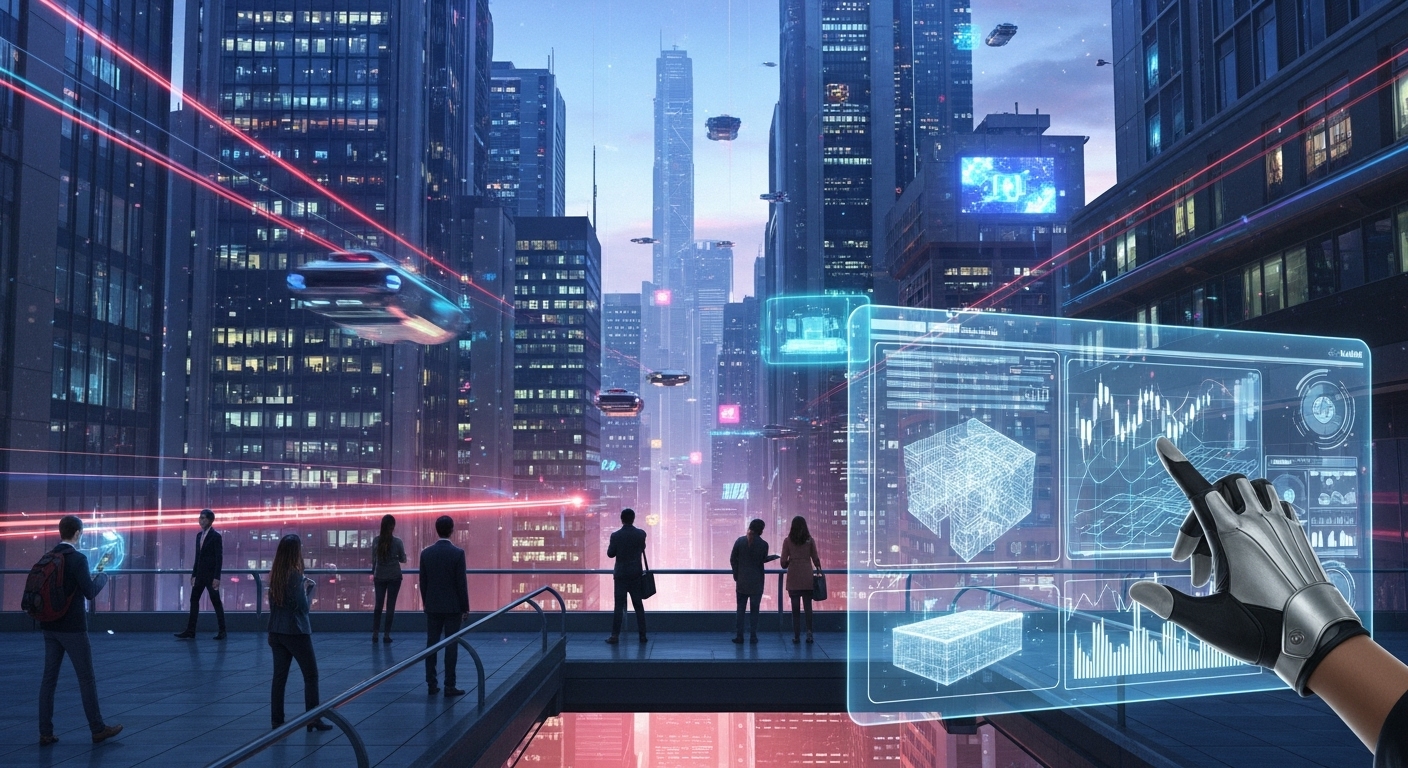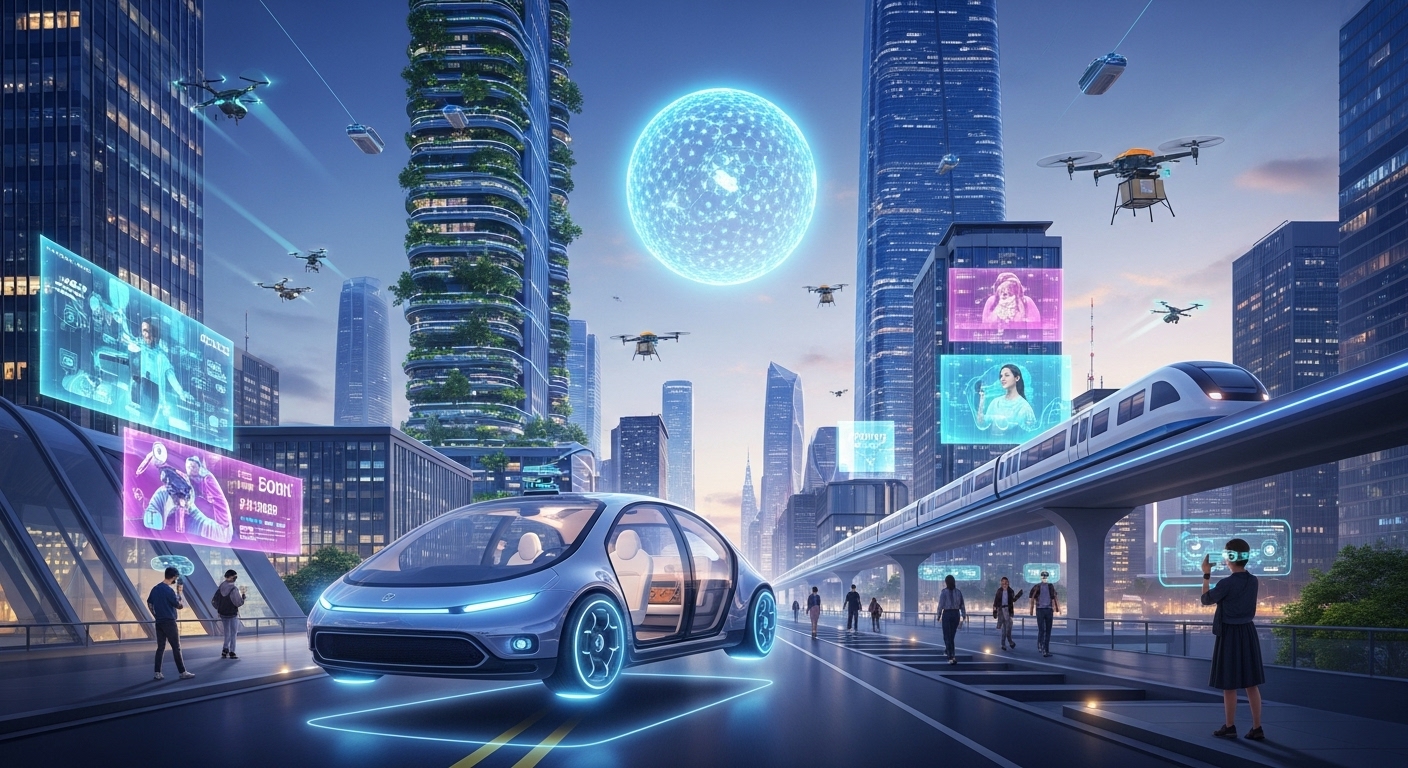
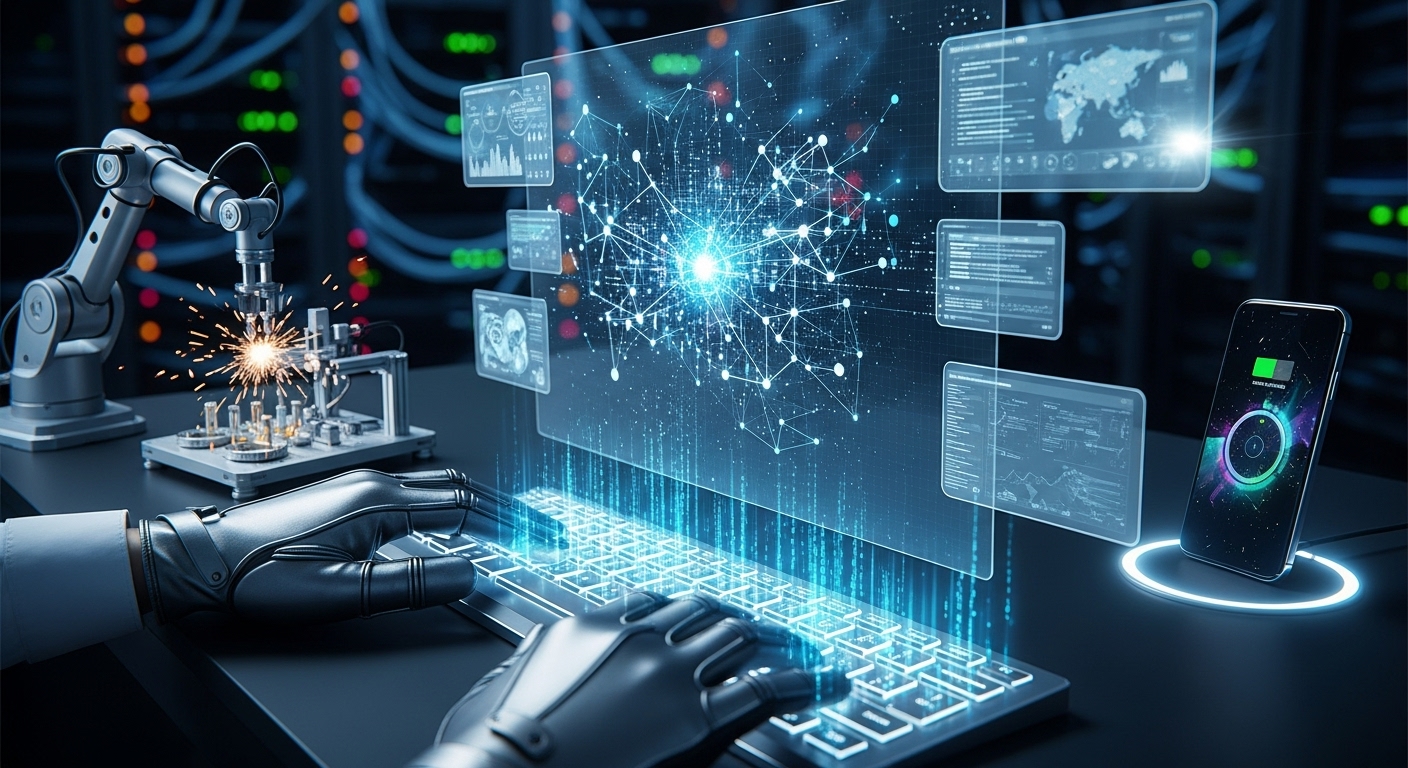
Introduction: The Dawn of a New Technological Era
In the past century, technological advancements have transformed nearly every aspect of human life. From the early days of the industrial revolution to the rise of the internet and beyond, we’ve seen a world that constantly evolves, reshaping industries, societies, and cultures. As we stand at the crossroads of the next technological revolution, it’s clear that we are entering an era where technology isn’t just an extension of our capabilities—it’s becoming an integral part of who we are.
With innovations spanning from artificial intelligence (AI) to blockchain and virtual reality (VR), the possibilities for change seem limitless. These technologies are not just changing the way we work, communicate, and consume entertainment; they are also pushing the boundaries of what we thought was possible. This blog post will explore the key technological advancements shaping the future and examine how they are influencing the world around us.
The Rise of Artificial Intelligence: Beyond Automation
Artificial intelligence, once a concept confined to science fiction, has now become one of the most transformative forces in technology. AI refers to the development of computer systems capable of performing tasks that typically require human intelligence, such as understanding language, recognizing patterns, and making decisions. Over the last decade, AI has evolved from simple algorithms to complex systems that can learn, adapt, and even create.
Machine learning (ML), a subset of AI, has made significant strides, enabling machines to learn from vast amounts of data without being explicitly programmed. AI’s applications are vast, touching almost every industry. In healthcare, AI algorithms help doctors diagnose diseases with remarkable accuracy, from detecting early signs of cancer to predicting heart conditions. In retail, AI is enhancing customer experiences by powering recommendation engines that suggest products based on browsing behavior. Similarly, AI-powered chatbots and virtual assistants, such as Siri and Alexa, are becoming more sophisticated, allowing users to interact with devices in a natural, human-like manner.
The future of AI is exciting, with potential applications ranging from autonomous vehicles that could transform transportation to AI-driven creative tools that could change the way we produce art, music, and content. However, there are challenges to overcome, including the ethical implications of AI decisions, data privacy concerns, and the potential for job displacement. As AI continues to evolve, it’s crucial that we consider the societal impact and ensure that its development is aligned with ethical standards.
The Internet of Things: Connecting the World in New Ways
The Internet of Things (IoT) represents the growing network of interconnected devices that communicate and share data over the internet. From smart thermostats to fitness trackers and even refrigerators, IoT devices are becoming an integral part of daily life, making our environments smarter, more efficient, and more connected.
IoT has already begun transforming industries in profound ways. In healthcare, IoT-enabled devices allow for remote patient monitoring, providing real-time data that can improve patient care and reduce hospital visits. In agriculture, IoT sensors monitor soil conditions and track crop growth, helping farmers optimize irrigation and improve yields. In manufacturing, IoT devices help monitor equipment performance and reduce downtime by predicting maintenance needs before they become critical.
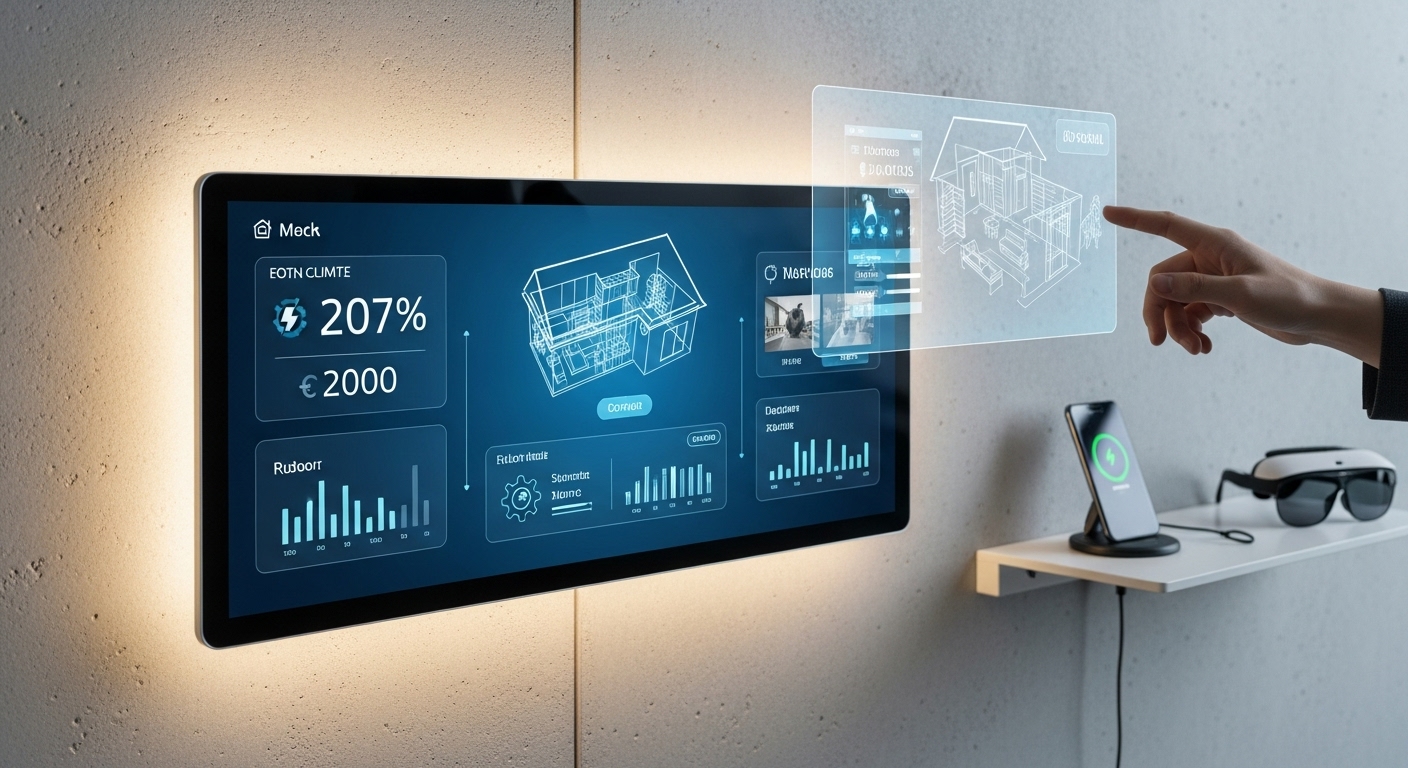
Smart homes are one of the most visible examples of IoT in everyday life. IoT-enabled devices like smart locks, lights, and security cameras can be controlled remotely via mobile apps, making homes safer and more energy-efficient. With advancements in 5G technology, IoT devices are set to become even more powerful, enabling faster, more reliable communication between devices and improving the overall user experience.
As the IoT ecosystem expands, so do the challenges surrounding security and privacy. With an increasing number of devices connected to the internet, there is a greater risk of cyberattacks and data breaches. Ensuring the security of IoT networks will be critical in the years to come, as we rely more on connected devices in both our personal and professional lives.
Blockchain: Redefining Trust and Transparency
Blockchain, the underlying technology behind cryptocurrencies like Bitcoin, is gaining recognition for its potential to disrupt industries far beyond finance. At its core, blockchain is a decentralized ledger system that records transactions in a secure, transparent, and tamper-proof manner. Each transaction is verified by a network of computers, making it almost impossible to alter or falsify data once it has been recorded.
One of the most significant advantages of blockchain is its ability to establish trust without the need for intermediaries like banks or government institutions. This has the potential to revolutionize industries such as finance, healthcare, supply chain management, and voting systems.
In the financial sector, blockchain is being used to create more secure, efficient, and cost-effective payment systems. With blockchain, cross-border payments can be processed in real-time, reducing the time and fees associated with traditional banking systems. Blockchain also offers greater transparency, allowing consumers and businesses to track the movement of money or goods across the supply chain.
In healthcare, blockchain has the potential to transform the way medical records are stored and shared. With blockchain, patient data can be securely shared between different healthcare providers, ensuring that patients receive the best possible care without the risk of data breaches. Additionally, blockchain’s transparent nature can help eliminate fraud in pharmaceutical supply chains by providing a traceable record of drug production and distribution.
Despite its potential, blockchain technology is still in its early stages, and challenges remain regarding scalability, regulation, and adoption. However, as blockchain continues to mature, it is poised to redefine how we store and share data, offering new levels of security, transparency, and trust.
The Cloud and Edge Computing: Shaping the Future of Data Storage and Processing
Cloud computing has become one of the most transformative technologies in the last decade. By enabling users to store and access data over the internet, the cloud has eliminated the need for traditional on-premises storage and infrastructure. Cloud services have democratized access to powerful computing resources, allowing businesses of all sizes to scale quickly and efficiently.
Today, cloud computing powers everything from email and social media to enterprise software and streaming services. Platforms like Amazon Web Services (AWS), Microsoft Azure, and Google Cloud provide on-demand computing power and storage, allowing businesses to avoid costly investments in physical servers. The cloud has also facilitated the rise of remote work, as employees can access documents, applications, and collaboration tools from anywhere in the world.
However, as the internet of things and other technologies generate ever-larger volumes of data, traditional cloud computing may face limitations in terms of speed and latency. This has given rise to edge computing, a technology that processes data closer to where it is generated—at the “edge” of the network—rather than relying on centralized cloud servers. Edge computing reduces latency, enabling faster data processing and real-time decision-making, which is particularly important for applications like autonomous vehicles, smart cities, and industrial automation.
As cloud and edge computing technologies continue to evolve, they will work in tandem to support the growing demand for faster, more efficient data storage and processing. Businesses will be able to leverage both centralized cloud resources and localized edge computing to create more agile, responsive systems.
Virtual Reality and Augmented Reality: Reimagining Human Interaction
Virtual reality (VR) and augmented reality (AR) are two technologies that are redefining how we interact with digital content. While VR immerses users in entirely digital environments, AR overlays digital information on top of the physical world, enhancing our perception of reality.
In the gaming and entertainment industries, VR has already made a significant impact, offering immersive experiences that transport users to new worlds. VR headsets, such as the Oculus Rift and PlayStation VR, allow players to interact with digital environments in ways that were previously unimaginable. VR is also being used in healthcare for surgical training and therapy, allowing practitioners to simulate complex procedures and patients to undergo virtual rehabilitation.
AR, on the other hand, is gaining traction in fields like retail, education, and manufacturing. In retail, AR allows customers to virtually try on clothes or visualize how furniture will look in their homes. In education, AR is being used to create interactive learning experiences, bringing textbooks to life and offering students a deeper understanding of complex concepts. In manufacturing, AR can assist workers by overlaying real-time data onto machinery, improving efficiency and reducing errors.
The future of VR and AR is bright, with potential applications in almost every industry. As the technology improves and becomes more accessible, we can expect VR and AR to play an increasingly important role in shaping the way we experience the world.
The Ethical and Societal Impact of Technology
While technology offers immense potential for positive change, it also raises significant ethical and societal questions. Issues such as data privacy, cybersecurity, and the ethical use of AI are becoming more pressing as we integrate technology into every aspect of our lives.
Data privacy has become a major concern as individuals share more personal information online. From social media to e-commerce and healthcare, the data we generate can be used to track our behavior, influence our decisions, and even manipulate our opinions. As technology continues to evolve, it is essential that companies and governments prioritize data protection and ensure that individuals’ rights are upheld.
Similarly, the rise of AI and automation raises questions about job displacement and the future of work. While AI has the potential to increase productivity and create new jobs, it also threatens to replace many routine jobs, particularly in sectors like manufacturing, transportation, and customer service. As society grapples with these changes, it will be essential to provide workers with the skills and training they need to thrive in an increasingly automated world.
Conclusion: Embracing the Future of Technology
Technology is evolving at an exponential rate, and its impact on society is undeniable. From AI and IoT to blockchain and VR, the innovations of today are shaping the world of tomorrow. While these advancements hold immense promise, they also come with challenges that must be addressed carefully and thoughtfully.
As we continue to innovate and push the boundaries of what is possible, it is important that we remain mindful of the ethical and societal implications of these technologies. By doing so, we can ensure that the future of technology is one that benefits everyone, not just a select few.
The tech revolution is here, and it’s up to all of us to navigate it responsibly, creatively, and collaboratively. The future is bright, and the possibilities are endless.