Introduction to Modern Technology
Technology has become an inseparable part of our everyday lives. From the smartphones in our hands to the artificial intelligence that predicts our next online search, technology is everywhere. It influences how we communicate, work, learn, travel, and even how we think. The beauty of technology lies in its constant evolution. Every year, innovations transform industries and create new opportunities. This blog explores the multifaceted world of technology, its past, its present innovations, and the future possibilities that may shape human civilization in unimaginable ways.
The Roots of Technological Advancement
Long before complex machines existed, early humans used basic tools to survive. A sharp stone used for hunting and protection was a breakthrough technology of its time. Over thousands of years, humans evolved and so did their ability to innovate. The invention of the wheel, agriculture, and writing systems were among the earliest technological milestones that laid the foundation for civilizations. These inventions made transportation easier, farming more efficient, and knowledge transferable across generations.
The Industrial Revolution marked a turning point in the history of technology. Machines began to replace manual labor, leading to mass production, railways, and mechanized agriculture. Steam engines powered factories and locomotives, connecting cities and boosting economies. This was not just a technological shift but a societal transformation.
The Digital Revolution: Birth of Modern Technology
The twentieth century saw the rise of the digital age. The invention of computers changed everything. Early computers were large machines used for complicated calculations in science and military operations. Over time, advancements in microprocessors led to smaller, more powerful, and affordable computers. The introduction of personal computers into homes marked the beginning of the modern technological era.
The creation of the internet connected the world in ways previously unimaginable. Emails replaced handwritten letters, and online search engines made information easily accessible. This era shifted society from industrial power to information power, where data became a valuable asset.
The Rise of Smartphones and Mobile Technology
One of the most impactful technological innovations of the twenty-first century is the smartphone. Combining a phone with a computer, camera, calculator, and countless other features, smartphones have revolutionized daily life. Mobile technology allows people to stay connected, access information instantly, and manage their lives through apps.
Today’s smartphones are powered by advanced processors, high-resolution cameras, and artificial intelligence features. They serve as personal assistants, entertainment devices, and even tools for education and work. Mobile technology has made the world more interconnected and accessible than ever before.
Artificial Intelligence and Machine Learning
Artificial Intelligence, or AI, is one of the most transformative technologies of the present time. AI refers to machines that can perform tasks that typically require human intelligence. These tasks include understanding language, recognizing images, making decisions, and learning from data.
Machine learning, a branch of AI, enables computers to learn from experience without explicit programming. Algorithms analyze patterns in large datasets and improve their performance over time. AI powers voice assistants, recommendation systems, autonomous vehicles, medical diagnosis tools, and more.
The impact of AI extends across industries such as healthcare, finance, education, manufacturing, and entertainment. It improves efficiency, reduces errors, and enables personalized user experiences. However, AI also raises ethical questions about privacy, job displacement, and decision-making transparency.
The Internet of Things and Smart Devices
The Internet of Things, or IoT, refers to a network of physical devices connected to the internet, sharing data with each other. These devices include smart home systems, wearable technology, industrial sensors, and connected vehicles. IoT has transformed how we interact with our environment.
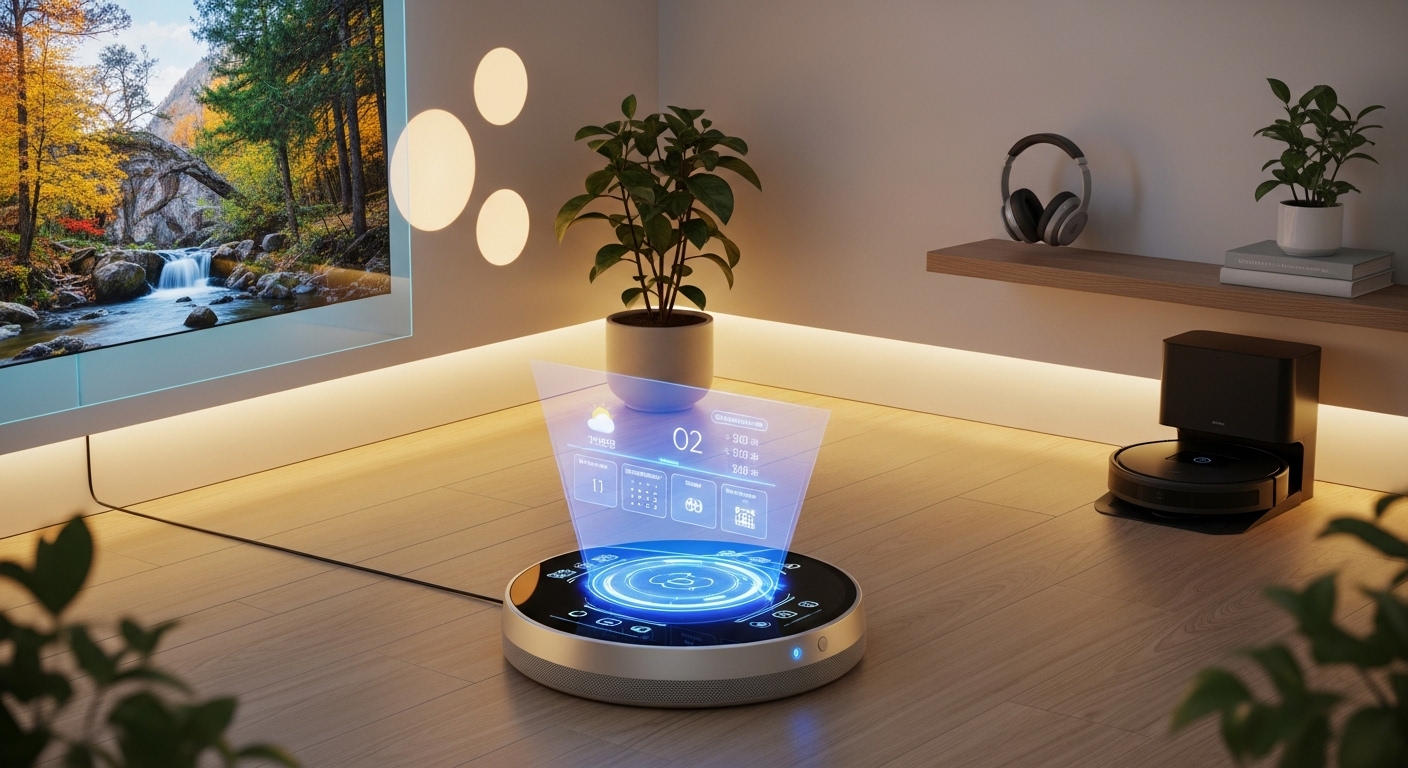
Smart homes are now equipped with devices like smart lights, thermostats, security cameras, and voice assistants. These devices can be controlled remotely and can learn user preferences to automate daily routines. Wearable devices monitor heart rate, sleep cycles, and physical activity, contributing to better health awareness.
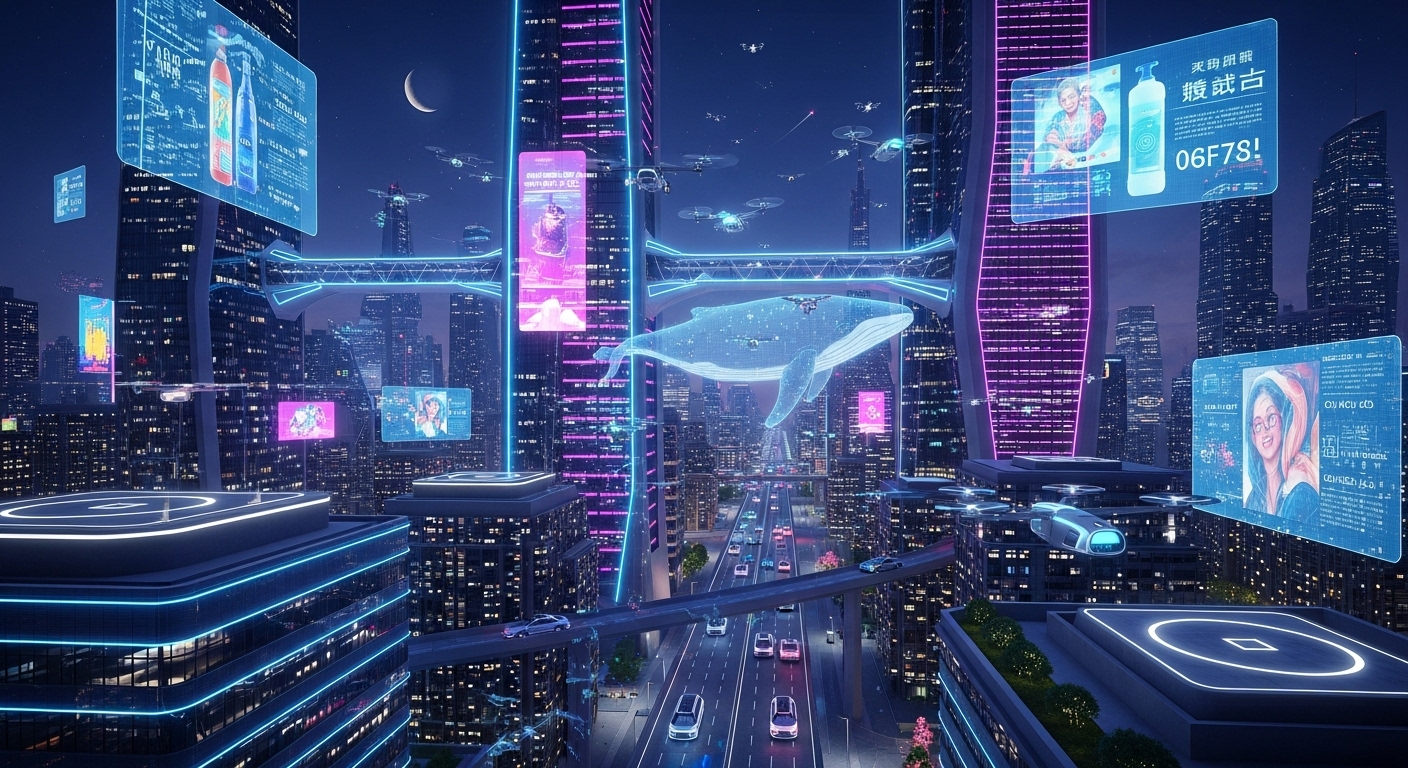
In industries, IoT sensors help monitor machinery, predict failures, and optimize energy usage. Smart cities use IoT technology to manage traffic, reduce pollution, and improve public services.
Cloud Computing and Data Storage
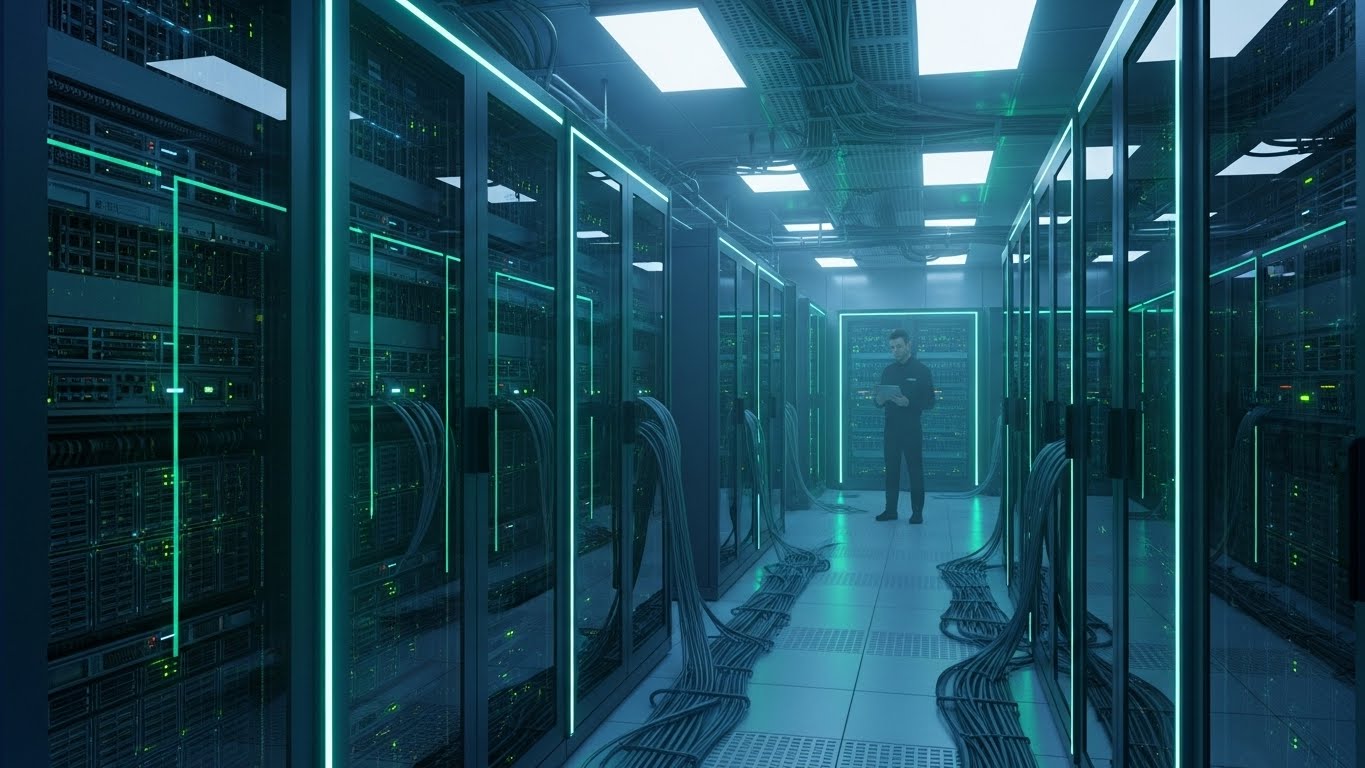
As the volume of data grows, storing and managing it becomes a challenge. Cloud computing provides a solution by offering remote servers to store, process, and manage data over the internet. Instead of relying on physical devices, individuals and businesses can access their data from anywhere.
Cloud computing supports services like streaming platforms, online storage, and remote work tools. It provides scalability, cost-efficiency, and improved collaboration. Industries rely on cloud platforms for hosting websites, managing databases, and developing applications.
The future of cloud computing includes hybrid systems that combine private and public clouds for greater flexibility and security. Edge computing, a related concept, processes data closer to its source, reducing latency and improving performance.
Cybersecurity in a Digital World
With increasing digitalization comes increasing cyber threats. Cybersecurity is essential to protect information, systems, and networks from attacks. Cybercrimes include hacking, identity theft, phishing, and ransomware.
Organizations use firewalls, encryption, and authentication systems to secure their networks. Individuals must also take precautions such as using strong passwords, updating software, and avoiding suspicious links.
As technology evolves, so do cyber threats. Artificial intelligence is now being used to detect and prevent cyber attacks. Governments are also implementing regulations to protect user data and ensure cybersecurity practices.
The Role of Technology in Education
Technology has completely transformed education. Traditional classrooms are being replaced with digital learning environments. Online classes, e-books, and educational apps make learning more interactive and accessible.
Students can now attend virtual classes from anywhere in the world. Teachers use digital tools like interactive whiteboards, online assessments, and multimedia presentations. Technology also supports personalized learning, allowing students to learn at their own pace.
Artificial intelligence helps in creating smart learning systems that adapt to each student’s strengths and weaknesses. Virtual reality allows immersive learning experiences, such as virtual field trips and science simulations.
Healthcare and Medical Technology
The healthcare industry has greatly benefited from technological advancements. Medical technology includes devices, machines, software, and systems that improve patient care and treatment.
Innovations such as MRI scanners, robotic surgery, telemedicine, and wearable health monitors have transformed healthcare. Doctors can diagnose diseases earlier and with greater accuracy. Telemedicine allows patients to consult doctors remotely, making healthcare more accessible.
Artificial intelligence helps in analyzing medical data, identifying diseases, and discovering new drugs. Personalized medicine tailors treatments based on a patient’s genetic makeup. Technology has also improved medical training through simulations and virtual reality.
Transportation and Autonomous Vehicles
Transportation has undergone significant changes due to technology. Electric vehicles provide an eco-friendly alternative to traditional fuel-powered cars. These vehicles are powered by rechargeable batteries and produce zero emissions.
Autonomous vehicles, also known as self-driving cars, use sensors, cameras, and AI to navigate roads without human input. These vehicles aim to reduce accidents caused by human error and improve traffic efficiency.
High-speed trains, drones, and advanced navigation systems are other examples of technological innovations in transportation. Smart traffic lights and intelligent transportation systems help manage traffic in cities.
Renewable Energy and Sustainable Technology
As the world faces climate change, technology plays a key role in creating sustainable solutions. Renewable energy sources such as solar, wind, and hydro power are increasingly used to reduce dependence on fossil fuels.
Solar panels convert sunlight into electricity, while wind turbines generate power from wind. Advances in battery technology make it possible to store renewable energy for later use.
Smart grids manage energy distribution efficiently, and energy-efficient appliances reduce consumption. Green buildings use technology to minimize energy use and environmental impact. Electric vehicles contribute to reducing pollution in urban areas.
The Power of Robotics and Automation
Robotics and automation have transformed industries by improving efficiency and reducing human labor in repetitive tasks. Robots are used in manufacturing, logistics, healthcare, and even households.
Industrial robots assemble products with precision and speed. Automated systems in factories increase productivity and reduce costs. In warehouses, robots sort, pack, and transport goods.
Healthcare robots assist in surgeries, rehabilitation, and elderly care. Household robots, such as vacuum cleaners and lawn mowers, simplify daily chores. The future of robotics includes humanoid robots capable of interacting with humans in natural environments.
Virtual Reality and Augmented Reality
Virtual Reality, or VR, creates a simulated environment that users can experience using special headsets. It is widely used in gaming, entertainment, education, and training. VR allows users to immerse themselves in digital worlds and interact with virtual objects.
Augmented Reality, or AR, overlays digital information onto the real world. For example, AR apps can display directions on a live view of a street or allow users to see how furniture looks in their room before buying it.
Mixed Reality combines elements of both VR and AR, enabling digital and physical objects to interact in real time. These technologies have applications in architecture, military training, healthcare, and marketing.
The Evolution of Communication Technology
Communication has drastically changed thanks to technology. From letters and telegrams to emails, instant messaging, and video calls, communication is now faster and more convenient.
Social media platforms allow people to share thoughts, photos, videos, and stay connected with friends and family. They have also become powerful tools for businesses, entertainment, and education.
Advanced communication technologies such as 5G networks offer faster internet speeds, low latency, and better connectivity. This enables innovations like remote surgery, real-time gaming, and smart city infrastructure.
E-commerce and the Digital Marketplace
E-commerce has transformed the way people shop. Instead of visiting physical stores, consumers can now buy products online and have them delivered to their homes. Digital marketplaces offer a wide range of products and services at competitive prices.
Technology supports secure online payments, order tracking, and personalized shopping experiences. Businesses use data analytics to understand customer behavior and improve sales strategies.
The rise of mobile commerce, or m-commerce, allows people to shop using smartphones and tablets. Social media platforms have also integrated shopping features, making it easier for users to purchase products directly from posts.