
Introduction: The Rise of Artificial Intelligence
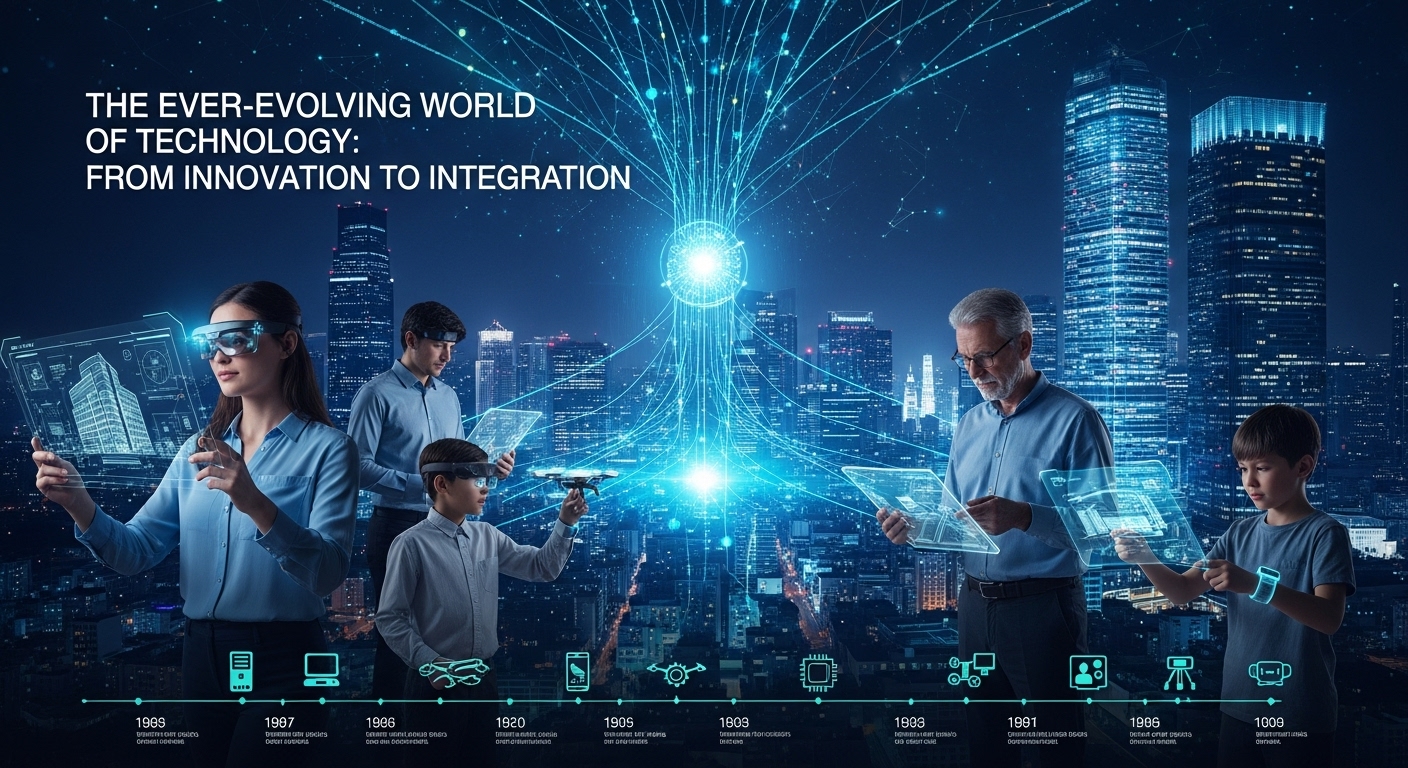
Artificial Intelligence (AI) has transformed from a niche concept in science fiction to a fundamental element shaping industries across the globe. Over the past decade, AI has evolved rapidly, leaving a significant mark on various sectors like healthcare, education, finance, entertainment, and transportation. With developments in machine learning, deep learning, and natural language processing, AI is no longer just a buzzword—it’s a driving force behind technological innovation.
As AI continues to advance, its integration into everyday life becomes more profound, opening doors to new opportunities and challenges. But what exactly does the future hold for AI in our daily routines? In this blog post, we will explore how AI is already embedded in our lives, how it will continue to evolve, and the implications for society as a whole.
The Role of AI in Modern Life
Transforming Industries with Smart Automation
AI’s influence is evident in the way industries operate today. From supply chains to customer service, businesses are leveraging AI-powered tools to automate tasks, improve efficiencies, and reduce human error. Companies are using AI to process large datasets, predict trends, optimize operations, and even personalize consumer experiences.
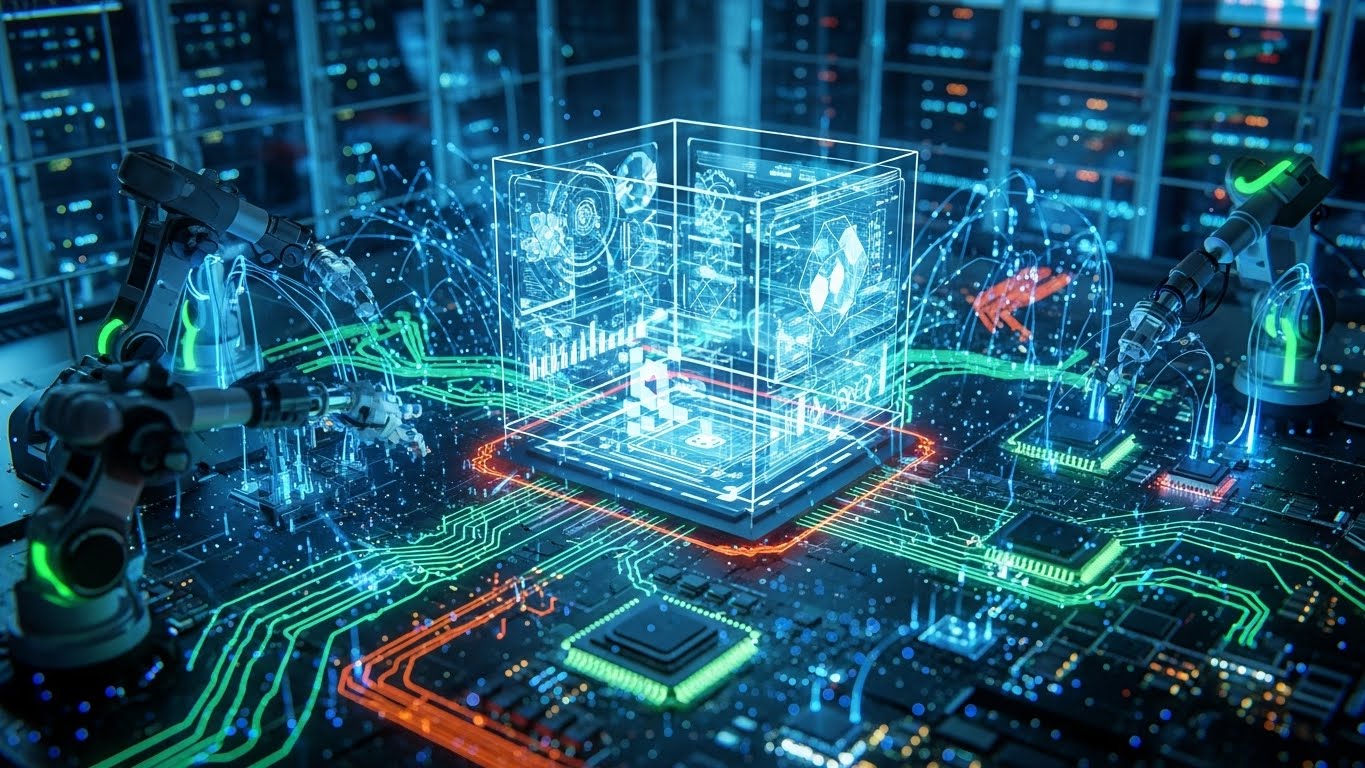
In manufacturing, for example, AI-powered robots work alongside humans, taking over repetitive tasks and allowing human workers to focus on more complex and creative aspects of their jobs. In retail, AI-driven recommendation engines, like those used by Amazon, suggest products based on browsing history, enhancing the shopping experience.
Furthermore, AI is enhancing productivity in fields like finance, where algorithmic trading is becoming more common. This technology allows for faster and more accurate analysis of market trends, enabling companies to make data-driven decisions with speed and precision.
AI in Healthcare: Revolutionizing Diagnosis and Treatment
The Impact on Medicine
AI’s potential in healthcare is nothing short of revolutionary. The ability to analyze vast amounts of medical data quickly and accurately allows AI to aid doctors in diagnosing conditions, predicting disease outbreaks, and developing personalized treatment plans. Machine learning algorithms, for instance, can be used to analyze medical images, such as MRIs and X-rays, with a level of accuracy that rivals human experts.
Moreover, AI is facilitating precision medicine, which tailors medical treatments to individual patients based on their genetic makeup, lifestyle, and environment. This personalized approach has the potential to improve patient outcomes and reduce the side effects of treatments.
In addition to diagnosis and treatment, AI is also improving patient care through virtual assistants. AI-driven chatbots are being used in hospitals and clinics to provide patients with instant responses to questions, schedule appointments, and even provide basic health information, reducing the burden on medical staff.
AI in Everyday Life: Personal Assistants, Smart Homes, and Beyond
Virtual Assistants at Your Service
One of the most visible applications of AI in daily life is through virtual assistants like Apple’s Siri, Amazon’s Alexa, and Google Assistant. These AI-powered tools have become integral parts of our homes, making it easier to control devices, play music, set reminders, and even control lights and thermostats through voice commands.
As these virtual assistants evolve, they’re becoming smarter and more intuitive. For example, recent advancements in natural language processing (NLP) have made it possible for AI to better understand context and nuances in human speech. This improvement allows virtual assistants to offer more relevant responses, creating a seamless user experience.
In the near future, virtual assistants will likely integrate even deeper into our lives, learning more about our habits, preferences, and needs, allowing for a more personalized and anticipatory user experience.
AI in Transportation: Driving the Future of Mobility
The Emergence of Autonomous Vehicles
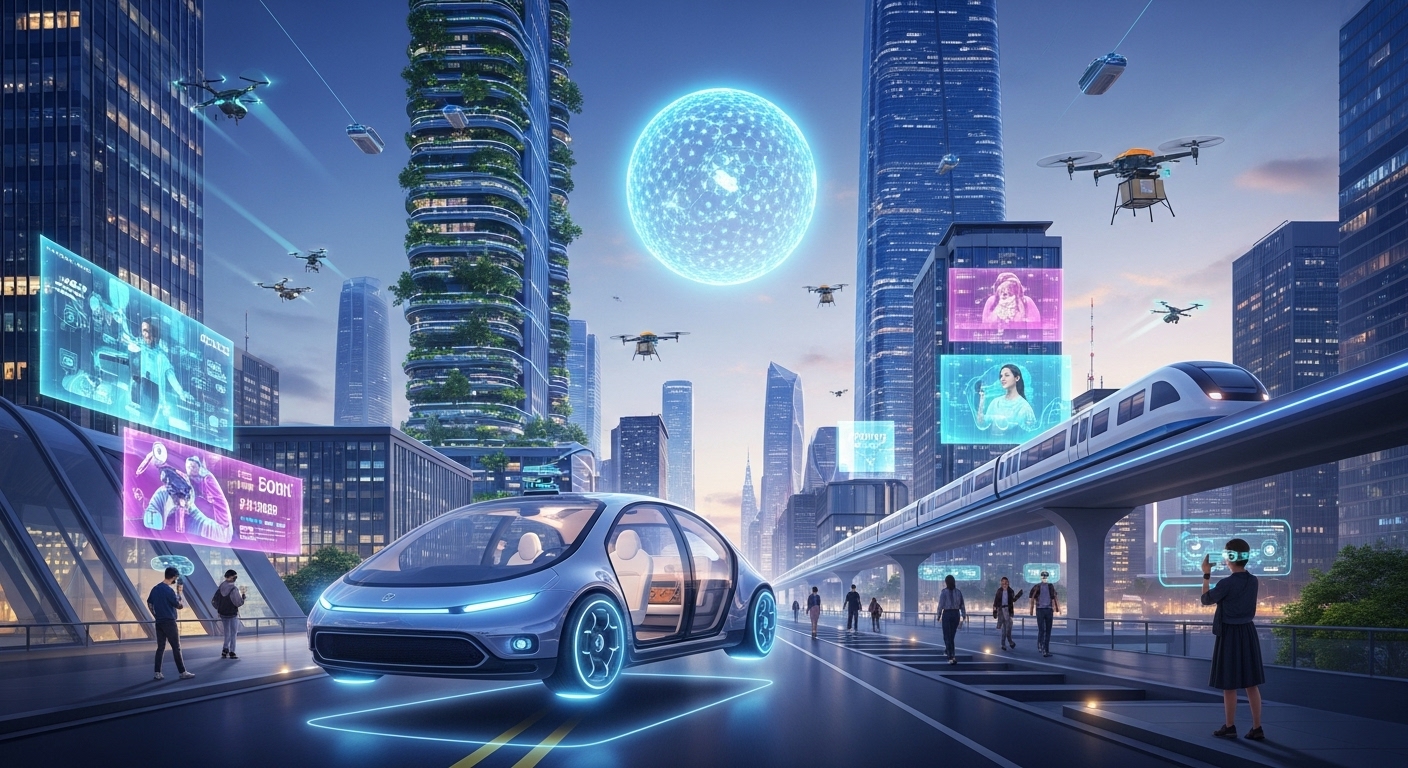
Self-driving cars have been one of the most talked-about applications of AI in recent years. Companies like Tesla, Waymo, and Uber are at the forefront of developing autonomous vehicles that rely on AI algorithms to navigate streets, make decisions, and ensure safety.
AI plays a crucial role in self-driving cars by processing data from sensors, cameras, and radar systems in real-time, allowing the vehicle to “see” its surroundings. Machine learning models then analyze this data to make decisions about acceleration, braking, and steering. With advancements in AI, self-driving cars are becoming more reliable, with the potential to reduce accidents caused by human error.
In addition to autonomous cars, AI is also improving other forms of transportation. For example, AI-powered traffic management systems are being used to optimize traffic flow in cities, reduce congestion, and improve fuel efficiency. Public transportation systems are using AI to predict demand, improve scheduling, and enhance overall user experience.
AI in Entertainment: Personalizing Content Creation and Consumption
Transforming the Entertainment Industry
The entertainment industry is also experiencing the impact of AI, particularly in content creation and distribution. Streaming platforms like Netflix, Spotify, and YouTube use AI algorithms to recommend content based on users’ past behavior. These algorithms analyze vast amounts of data to identify patterns and predict what users are most likely to enjoy next.
Beyond recommendations, AI is also being used in the creation of content itself. For instance, AI-driven tools are being used in video editing, music composition, and even scriptwriting. These tools can help creators speed up the production process and enhance creativity, providing new opportunities for innovation in the arts.
In the gaming industry, AI is playing a crucial role in creating more immersive experiences. AI-powered non-playable characters (NPCs) are becoming more intelligent, offering dynamic interactions with players. Additionally, AI-driven game design tools are helping developers create vast, responsive game worlds that adapt to player behavior.
The Ethical Implications of AI: Navigating the Challenges Ahead
Addressing Bias and Privacy Concerns
As AI becomes more integrated into daily life, it’s important to address the ethical concerns that come with its widespread adoption. One major concern is the potential for bias in AI algorithms. Machine learning models are trained on data, and if that data contains biases—whether related to race, gender, or socioeconomic status—the AI system may perpetuate those biases.
This has serious implications, especially in areas like hiring, lending, and law enforcement. For example, biased AI systems could result in unfair hiring practices, discriminatory lending decisions, or disproportionate targeting of certain communities by law enforcement.
Additionally, AI’s ability to process vast amounts of personal data raises concerns about privacy. As virtual assistants, autonomous vehicles, and other AI-driven technologies collect and store more information about users, there is an increased risk of misuse or unauthorized access to sensitive data. Striking a balance between innovation and privacy protection will be critical as AI continues to develop.
AI and Job Automation: A Double-Edged Sword
The Future of Work in an AI-Driven World
One of the most debated aspects of AI is its impact on the job market. On one hand, AI promises to automate mundane tasks, freeing up human workers to focus on more creative and complex aspects of their jobs. On the other hand, AI could lead to job displacement, especially in industries that rely heavily on routine and manual labor.
For example, self-driving trucks could disrupt the transportation industry, leading to job losses for truck drivers. Similarly, AI-powered chatbots could replace customer service representatives, and robotic process automation (RPA) could replace data entry clerks.
However, history has shown that technological advancements often lead to the creation of new jobs, even as some old jobs become obsolete. In the case of AI, new roles in AI development, data science, and machine learning engineering are already emerging. Additionally, industries like healthcare, education, and creative fields will likely see an increase in demand for skilled workers who can leverage AI to enhance their work.
The Road Ahead: A Collaborative Future for Humans and AI
Striking a Balance Between Innovation and Regulation
Looking forward, the future of AI is undoubtedly exciting. However, the pace of AI development needs to be balanced with careful consideration of its societal impact. Governments, businesses, and research institutions must work together to establish ethical frameworks, regulatory guidelines, and industry standards that ensure AI is developed and deployed responsibly.
As AI continues to evolve, its potential to revolutionize industries and improve daily life is enormous. However, it’s essential that we remain vigilant about its potential risks and address the challenges that come with its widespread adoption. By fostering a collaborative approach, we can create a future where AI is a powerful ally in enhancing human life, driving innovation, and addressing some of the world’s most pressing challenges.
Conclusion: Embracing the AI Revolution
Artificial Intelligence is no longer the technology of tomorrow—it’s already shaping the world we live in today. From healthcare to entertainment, transportation to manufacturing, AI is becoming an integral part of our daily lives. As we look to the future, AI promises to continue transforming the way we work, live, and interact with the world around us.
While challenges remain—particularly regarding ethics, privacy, and job displacement—the potential for AI to improve our lives is immense. By embracing AI’s capabilities while maintaining a focus on responsible development and ethical standards, we can ensure that this powerful technology benefits humanity as a whole. The AI revolution is here, and it’s just getting started.