Introduction: The Power of Technology in Modern Life
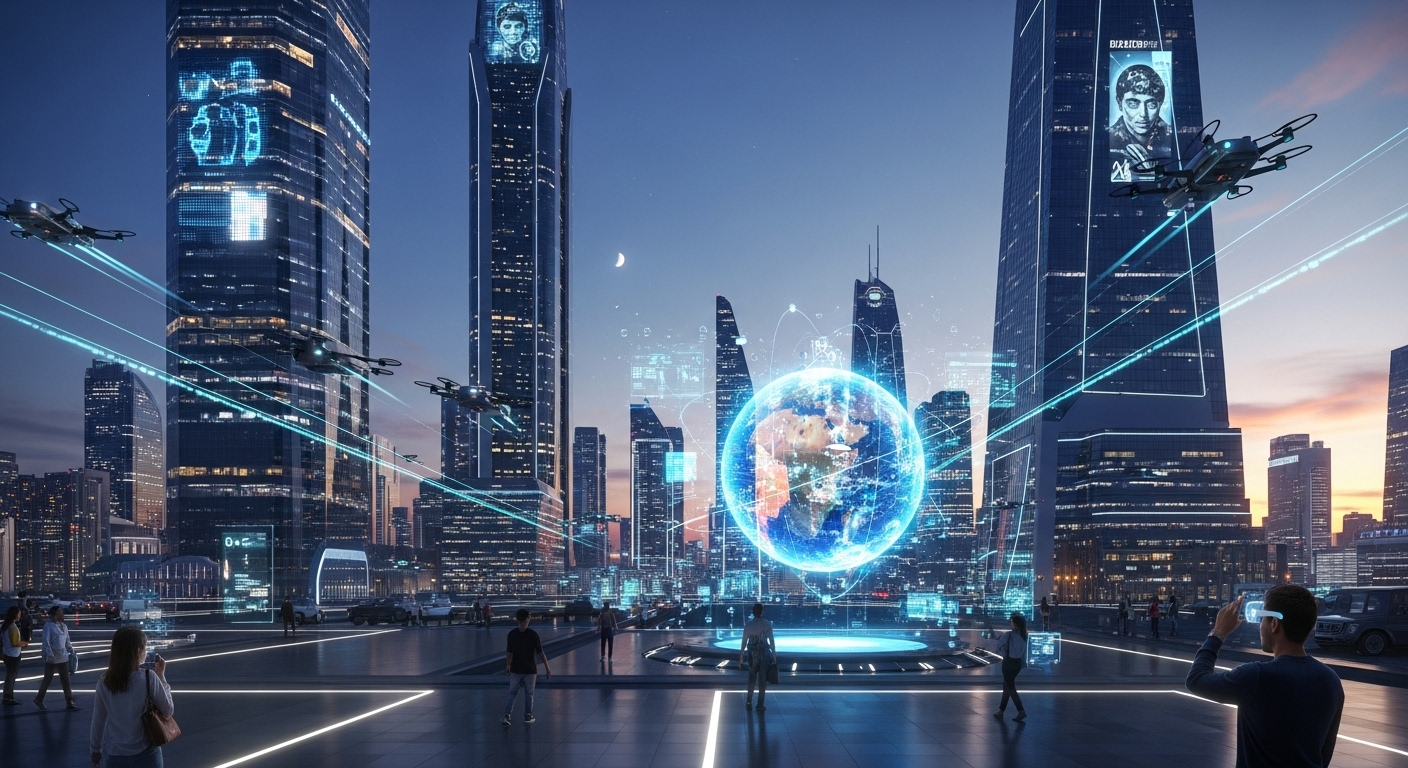
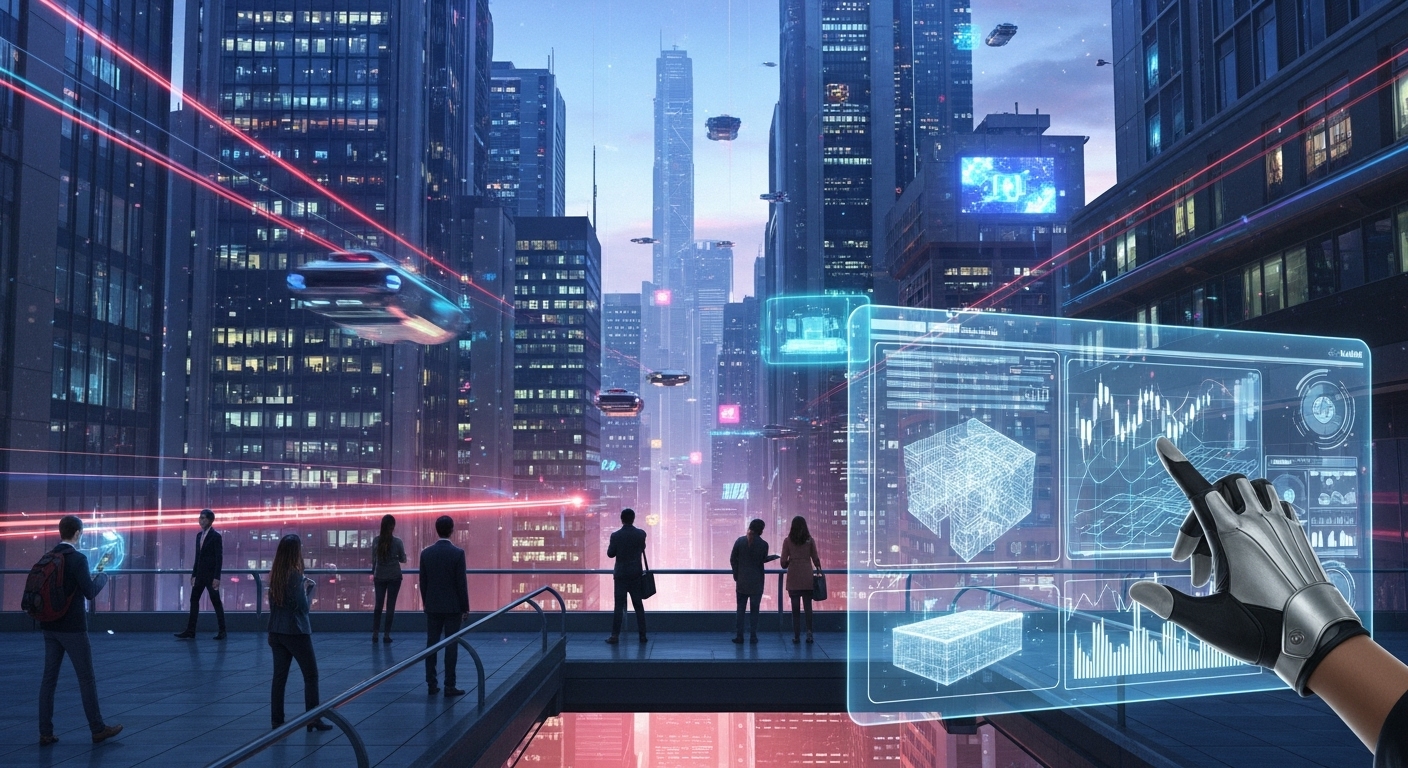
In the rapidly evolving world we live in, technology has become more than just a tool – it is the driving force that powers our daily lives, transforms industries, and shapes the future. From the smartphones we carry in our pockets to the artificial intelligence systems that influence everything from healthcare to finance, technology is no longer a luxury; it is a necessity. It impacts every part of our personal, professional, and social lives, often in ways we don’t even notice. As we look to the future, the role of technology is only expected to grow, bringing new opportunities as well as challenges.
The Rise of Artificial Intelligence
Artificial intelligence (AI) is undoubtedly one of the most transformative technologies of the 21st century. It has permeated nearly every industry, from healthcare and finance to retail and entertainment. At its core, AI involves creating machines or systems that can perform tasks typically requiring human intelligence, such as understanding natural language, recognizing speech and images, and making decisions. Machine learning, a subset of AI, allows computers to “learn” from data and improve their performance over time without explicit programming.
In healthcare, AI is helping doctors make faster and more accurate diagnoses by analyzing medical data more efficiently than ever before. In the financial sector, algorithms are being used to predict market trends, detect fraud, and automate complex processes. In everyday life, AI powers virtual assistants like Siri, Alexa, and Google Assistant, making it easier to access information, control smart home devices, and even make purchases. As AI continues to evolve, it will have even more profound implications on our work, our relationships, and our society at large.
The Revolution of Robotics
Robotics is another technology that is reshaping industries and everyday life. Robots are no longer confined to factory floors assembling products; they are now performing highly specialized tasks in healthcare, education, and even space exploration. The rise of robotics has been driven by advancements in AI, sensors, and materials science, allowing robots to become more versatile and capable than ever before.
In healthcare, robots are now performing surgeries with incredible precision, reducing human error and speeding up recovery times. Surgical robots, such as those used in minimally invasive procedures, have revolutionized the way doctors operate, allowing them to perform complex surgeries with smaller incisions and less trauma to the patient. In industries like logistics, robots and drones are automating the delivery of goods, drastically improving efficiency and reducing costs.
One of the most exciting areas of robotics is the potential for autonomous robots. Self-driving cars are a prime example, with companies like Tesla, Waymo, and others leading the charge in the race to build vehicles that can drive without human intervention. Although the technology is still in its early stages, self-driving cars have the potential to revolutionize transportation, reduce traffic accidents, and even address environmental concerns by optimizing fuel efficiency.
Blockchain: Redefining Trust and Security
Blockchain is a decentralized digital ledger technology that has garnered significant attention over the past decade, especially in relation to cryptocurrencies like Bitcoin. However, its applications extend far beyond digital currencies. Blockchain has the potential to transform everything from supply chains and banking to healthcare and voting systems by providing a secure, transparent way to record transactions and track assets.
At its core, blockchain is a distributed database that allows data to be stored across multiple computers, ensuring that no single entity has control over the information. Each transaction is recorded as a “block,” and these blocks are linked together to form a chain. Once a block is added to the chain, it cannot be altered, making blockchain a highly secure and tamper-resistant system.
Blockchain’s impact on industries like finance has been profound. It allows for faster, cheaper, and more secure transactions across borders without the need for traditional intermediaries like banks. In supply chains, blockchain helps companies track the movement of goods in real-time, reducing fraud and ensuring authenticity. For individuals, blockchain can enhance privacy and control over personal data, providing a more secure way to manage identity and online interactions.
The Internet of Things (IoT): Connecting the World
The Internet of Things (IoT) refers to the network of physical devices, vehicles, appliances, and other objects embedded with sensors and software that allow them to connect and exchange data over the internet. The IoT is revolutionizing the way we interact with the world around us by enabling seamless communication between everyday objects and the cloud.
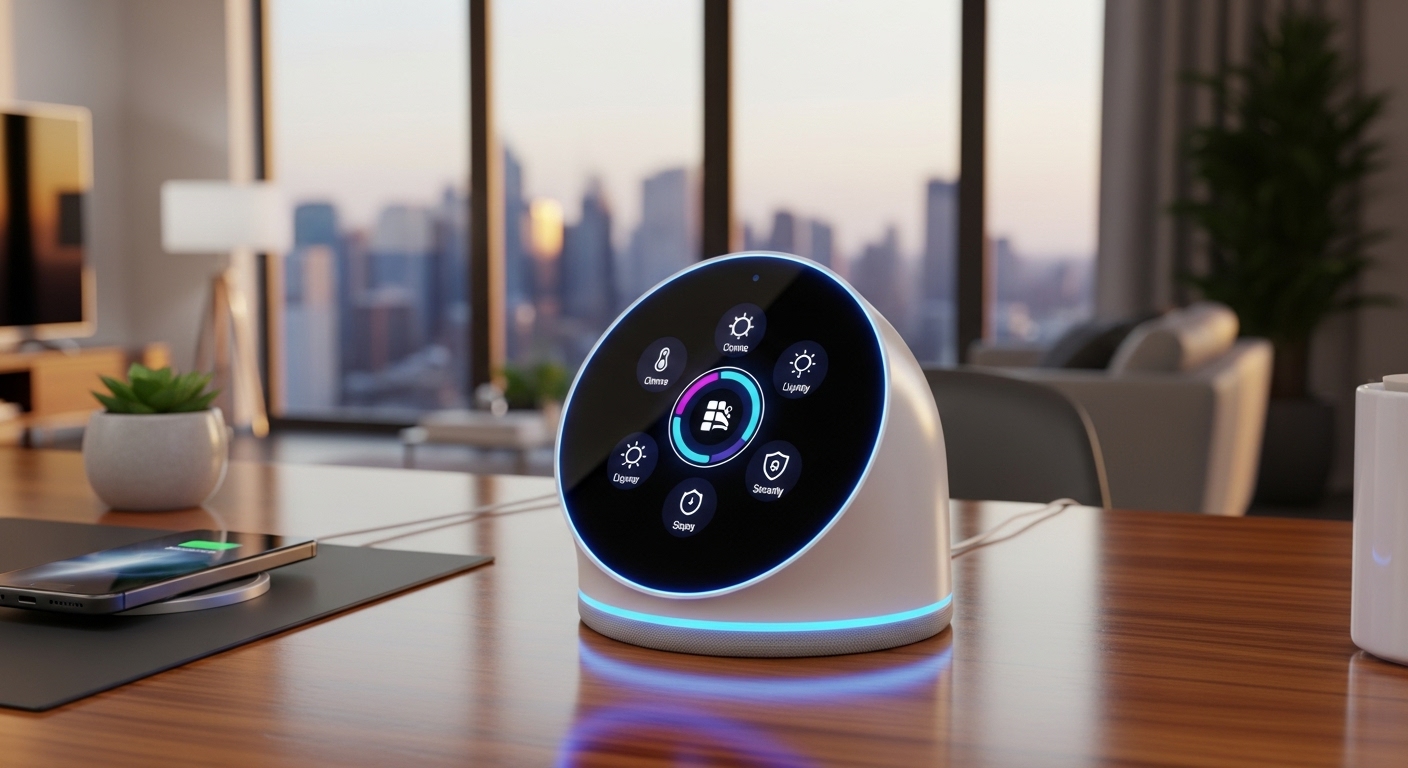
In the home, IoT devices such as smart thermostats, lights, and security cameras offer convenience, energy efficiency, and enhanced security. A smart thermostat like Nest, for example, learns your temperature preferences over time and adjusts the heating and cooling of your home automatically. In healthcare, IoT devices such as wearables can monitor a person’s vital signs, allowing for continuous health tracking and early detection of potential issues.
On a larger scale, IoT is transforming industries like agriculture, manufacturing, and transportation. In agriculture, IoT-enabled sensors can monitor soil moisture levels, optimize irrigation systems, and even track crop growth, leading to more efficient farming practices. In manufacturing, IoT devices help monitor equipment performance, predict failures, and optimize supply chains. The IoT is making the world smarter and more connected, enabling businesses and individuals to harness the power of data to improve efficiency and decision-making.
The Evolution of Renewable Energy
Technology is also playing a pivotal role in the fight against climate change by transforming the energy sector. The shift from fossil fuels to renewable energy sources like solar, wind, and hydropower is one of the most important changes taking place today. Advances in energy storage, grid management, and energy efficiency are making renewable energy more accessible, affordable, and reliable than ever before.
Solar energy, once seen as an expensive and inefficient alternative, has become a viable option for homes and businesses alike. The cost of solar panels has decreased dramatically over the past decade, and efficiency has improved, making it a more attractive option for consumers. Wind power has also seen significant advancements, with larger and more efficient turbines now capable of generating power at scale.
In addition to renewable energy generation, technology is also helping to optimize energy consumption. Smart grids, which use sensors and data analytics to monitor and manage energy use in real-time, are making it easier to integrate renewable energy sources into the existing energy infrastructure. Energy storage solutions like batteries are helping to address the intermittency issue of solar and wind power, allowing energy to be stored and used when demand is high or when renewable sources are not producing power.
The Role of Technology in Healthcare
Technology has had a profound impact on healthcare, improving patient outcomes, increasing access to care, and transforming how healthcare providers deliver services. The advent of telemedicine has made healthcare more accessible, especially in remote or underserved areas. Patients can now consult with doctors remotely through video calls, reducing the need for in-person visits and improving access to healthcare services.
In diagnostics, AI-powered systems are revolutionizing the way diseases are detected and treated. Machine learning algorithms can analyze medical images, such as X-rays and MRIs, to detect abnormalities that might be missed by the human eye. This ability to identify issues earlier and more accurately has the potential to save lives and reduce healthcare costs.
Biotechnology is another area where technology is making a huge impact. Genetic engineering and CRISPR technology allow scientists to modify genes, potentially curing genetic disorders and improving agricultural practices. Advances in personalized medicine, where treatments are tailored to an individual’s genetic makeup, are leading to more effective and targeted therapies.
The Future of Work and Automation
As technology advances, the workplace is evolving. Automation and artificial intelligence are increasingly being used to perform tasks traditionally done by humans, from customer service to data analysis to manufacturing. While automation can lead to increased productivity and lower costs, it also raises questions about the future of work and job displacement.
In many industries, workers are being replaced by machines that can perform tasks faster, more accurately, and at a lower cost. However, this shift also creates new opportunities in fields like robotics, data science, and machine learning. As routine and manual jobs are automated, there is growing demand for skilled workers who can design, implement, and manage these advanced technologies.
The future of work will likely see a blend of automation and human creativity, with humans focusing on tasks that require emotional intelligence, critical thinking, and innovation. The rise of remote work, fueled by advancements in collaboration tools and connectivity, is another key trend that is reshaping how we work.
Conclusion: Embracing the Future of Technology
Technology is advancing at an unprecedented pace, transforming how we live, work, and interact with the world around us. From AI and robotics to blockchain, renewable energy, and healthcare, innovations are unlocking new opportunities and addressing some of humanity’s most pressing challenges. While these advancements bring great promise, they also require thoughtful consideration of ethical issues, social impact, and the potential for unintended consequences.
As we continue to embrace and integrate these technologies, it is essential to strike a balance between innovation and responsibility. By using technology to enhance the human experience, we can build a future that is not only more efficient and connected but also more sustainable, equitable, and inclusive. The future is now, and technology is at the heart of shaping the world of tomorrow.