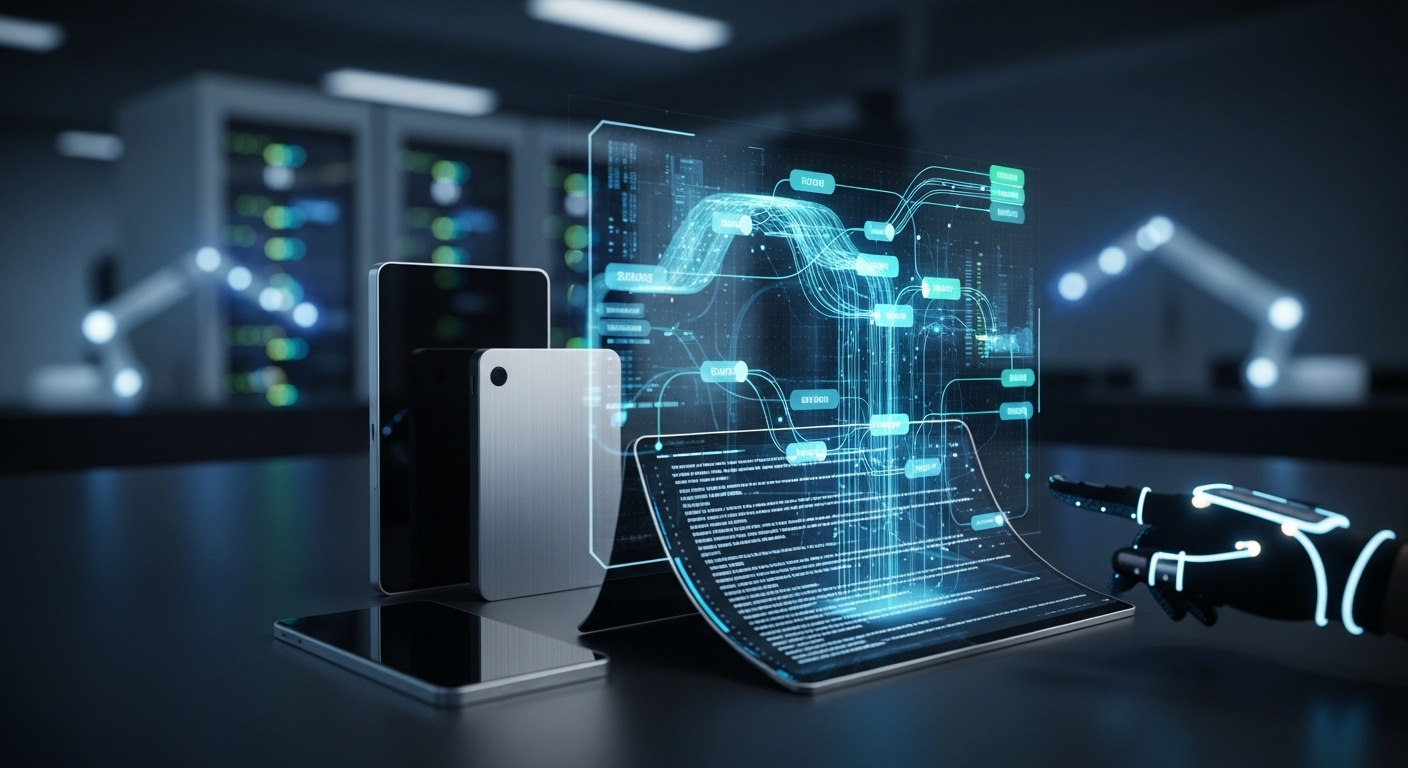

Technology has always been a cornerstone of human progress. From the invention of the wheel to the development of the internet, each advancement has reshaped society in profound ways. Today, modern technology influences nearly every aspect of our lives, including communication, healthcare, transportation, entertainment, and education. This blog explores the evolution of technology, its current applications, and its far-reaching impact on society.
A Brief History of Technology
Human history is marked by constant innovation. Early technological breakthroughs, such as the discovery of fire, the wheel, and agriculture, laid the foundation for modern civilization. The Industrial Revolution in the 18th and 19th centuries marked a significant turning point, introducing mechanized production, steam engines, and mass manufacturing. These innovations transformed economies, urban landscapes, and the labor force.
The 20th century brought even more rapid technological progress. The invention of the telephone, radio, and television revolutionized communication and entertainment. Computers emerged mid-century, initially as massive machines for calculations and data processing. By the late 20th century, personal computers, mobile phones, and the internet began to democratize access to information, connecting people across the globe like never before.
The Rise of Digital Technology
The 21st century has been defined by digital technology. The proliferation of smartphones, high-speed internet, and cloud computing has created a world that is hyper-connected and information-driven. Digital technology has transformed the way we work, communicate, shop, and even think.
Smartphones and Mobile Computing
Smartphones are arguably the most influential technological devices of the past two decades. They combine communication, computing, and entertainment in a single portable device. Beyond personal use, smartphones have transformed industries. Mobile banking, telemedicine, ride-hailing apps, and remote work tools all rely heavily on smartphone technology.
Mobile computing has also paved the way for innovations like augmented reality (AR) and virtual reality (VR). These technologies are changing the way we experience gaming, shopping, and even education. For instance, students can now explore historical sites or complex scientific concepts in immersive, interactive environments.
Cloud Computing and Data Storage
Cloud computing has revolutionized how businesses store and access data. Instead of relying on physical servers, companies can now use cloud-based solutions to store massive amounts of data securely and access it from anywhere. This has facilitated remote work, collaboration across borders, and the rise of software-as-a-service (SaaS) platforms.
The importance of data storage goes beyond convenience. Cloud computing enables real-time data analysis, which is critical for decision-making in fields like finance, healthcare, and marketing. Companies can analyze customer behavior, predict trends, and optimize operations efficiently.
Artificial Intelligence and Machine Learning
Artificial intelligence (AI) and machine learning (ML) are at the forefront of technological innovation. AI refers to the ability of machines to perform tasks that typically require human intelligence, such as recognizing speech, understanding language, and making decisions. Machine learning, a subset of AI, involves training algorithms to learn from data and improve performance over time.
Applications in Everyday Life
AI has become increasingly integrated into daily life. Virtual assistants, like AI-powered chatbots, help users with everything from scheduling appointments to answering questions. Recommendation systems, such as those used by streaming platforms, analyze user preferences to suggest personalized content.
In healthcare, AI is transforming diagnostics and treatment. Algorithms can analyze medical images to detect diseases like cancer at early stages. AI-driven predictive models help doctors develop personalized treatment plans and optimize resource allocation in hospitals.
Ethical Considerations
While AI offers immense potential, it also raises ethical concerns. Issues like data privacy, algorithmic bias, and job displacement must be addressed carefully. As AI becomes more autonomous, society will need regulations to ensure its responsible and equitable use.
The Internet of Things (IoT)
The Internet of Things refers to a network of interconnected devices that communicate and share data with each other. IoT encompasses everything from smart home devices to industrial sensors, creating an ecosystem where technology is embedded in everyday life.
Smart Homes and Cities
In smart homes, IoT devices like thermostats, lighting systems, and security cameras can be controlled remotely, improving convenience and energy efficiency. Smart cities leverage IoT to optimize traffic flow, reduce energy consumption, and enhance public safety. For example, sensors can detect air quality, monitor water usage, and manage waste collection efficiently.
Industrial Applications
IoT also plays a critical role in industry. In manufacturing, sensors monitor equipment performance, predict maintenance needs, and reduce downtime. Supply chain management is enhanced through real-time tracking of goods, ensuring timely deliveries and reducing waste.
The Revolution of Blockchain Technology
Blockchain technology, best known as the foundation of cryptocurrencies, is transforming how transactions are recorded and verified. Unlike traditional databases, blockchain is decentralized and immutable, providing transparency and security without the need for intermediaries.
Beyond Cryptocurrency
While blockchain gained fame through Bitcoin and other cryptocurrencies, its applications extend far beyond digital money. Smart contracts automate agreements between parties, reducing the need for legal intermediaries. Supply chain tracking ensures the authenticity and provenance of products, from food to luxury goods.
Blockchain also has potential in healthcare, enabling secure sharing of patient records while maintaining privacy. Governments and organizations are exploring blockchain for voting systems, land registries, and digital identities.
Cybersecurity in the Digital Era
As technology advances, so do the risks associated with it. Cybersecurity has become a critical concern for individuals, businesses, and governments. Cyberattacks, data breaches, and identity theft can have severe financial and social consequences.
Emerging Threats
Modern cyber threats are increasingly sophisticated. Ransomware attacks, where hackers demand payment to unlock encrypted data, have targeted hospitals, corporations, and government institutions. Phishing schemes trick users into revealing sensitive information, while advanced persistent threats infiltrate networks over extended periods.
Protective Measures
Organizations invest heavily in cybersecurity measures, including firewalls, encryption, multi-factor authentication, and employee training. AI-driven security systems detect anomalies and respond to threats in real-time, reducing the potential impact of attacks. Individuals must also be vigilant, regularly updating software, using strong passwords, and practicing safe online behavior.
Technology and Education
Education has been profoundly transformed by technology. Digital tools, online courses, and virtual classrooms have made learning more accessible, interactive, and personalized.
E-Learning Platforms
E-learning platforms allow students to access courses from anywhere in the world. Video lectures, interactive quizzes, and discussion forums create an engaging learning experience. These platforms also cater to lifelong learning, enabling professionals to acquire new skills and stay competitive in the job market.
Virtual and Augmented Reality in Education
Virtual and augmented reality enhance learning by providing immersive experiences. Medical students can practice surgeries in VR simulations, while history students can explore ancient civilizations in AR environments. These technologies make learning more engaging, interactive, and effective.
Technology in Healthcare
Healthcare has been revolutionized by technological innovation. From diagnostic tools to treatment methods, technology has improved patient outcomes and expanded access to care.
Telemedicine and Remote Monitoring
Telemedicine allows patients to consult doctors remotely, improving access to healthcare in rural or underserved areas. Remote monitoring devices track vital signs, alerting medical professionals to potential issues before they become critical.
Advanced Diagnostic Tools
AI-powered diagnostic tools analyze medical images, genetic data, and patient histories to identify diseases more accurately and quickly. Robotic surgery enhances precision, reducing recovery times and minimizing complications.
The Future of Work
Technology continues to reshape the workplace. Automation, AI, and digital collaboration tools are transforming how work is performed, creating both opportunities and challenges.
Remote Work and Collaboration
The COVID-19 pandemic accelerated the adoption of remote work, demonstrating that many jobs can be performed effectively from home. Collaboration tools like video conferencing, cloud storage, and project management software enable teams to work seamlessly across locations.
Automation and Job Displacement
While technology increases efficiency, it also raises concerns about job displacement. Routine tasks are increasingly automated, prompting workers to develop new skills and adapt to evolving job requirements. Education and reskilling programs will be critical to preparing the workforce for future demands.
The Environmental Impact of Technology
Technology has both positive and negative impacts on the environment. On one hand, innovations in energy efficiency, renewable resources, and environmental monitoring help reduce ecological footprints. On the other hand, electronic waste, energy consumption, and resource extraction present significant challenges.
Green Technology
Green technology focuses on sustainable practices. Solar panels, wind turbines, and energy-efficient devices reduce reliance on fossil fuels. Smart grids optimize energy distribution, while electric vehicles decrease carbon emissions.
Challenges of E-Waste
The rapid pace of technological advancement leads to a growing problem of electronic waste. Proper recycling and disposal of electronic devices are crucial to minimizing environmental harm. Companies and governments are exploring ways to promote circular economies and reduce waste.
Conclusion
The evolution of technology has been remarkable, transforming every facet of human life. From the Industrial Revolution to the era of artificial intelligence, digital connectivity, and blockchain, technological innovation has redefined how we live, work, and interact.
While technology offers immense benefits, it also brings ethical, social, and environmental challenges. Balancing innovation with responsibility is essential to ensure that technological progress improves society as a whole. As we look to the future, continued innovation, coupled with thoughtful regulation and sustainability, will shape a world where technology serves as a powerful tool for human advancement.
Technology is no longer just a tool; it is an integral part of human existence, continuously shaping our future in ways both expected and unforeseen. Understanding its trajectory, applications, and implications allows us to harness its potential while mitigating risks.