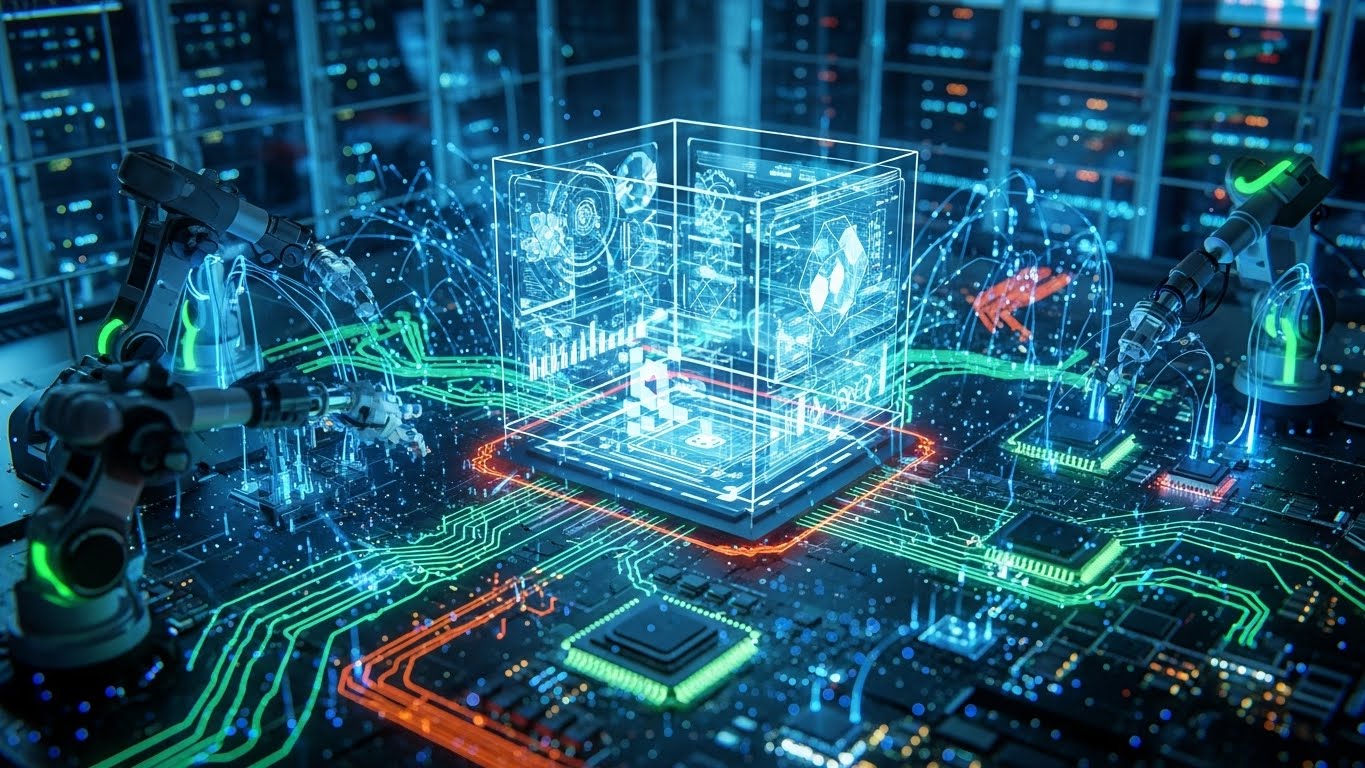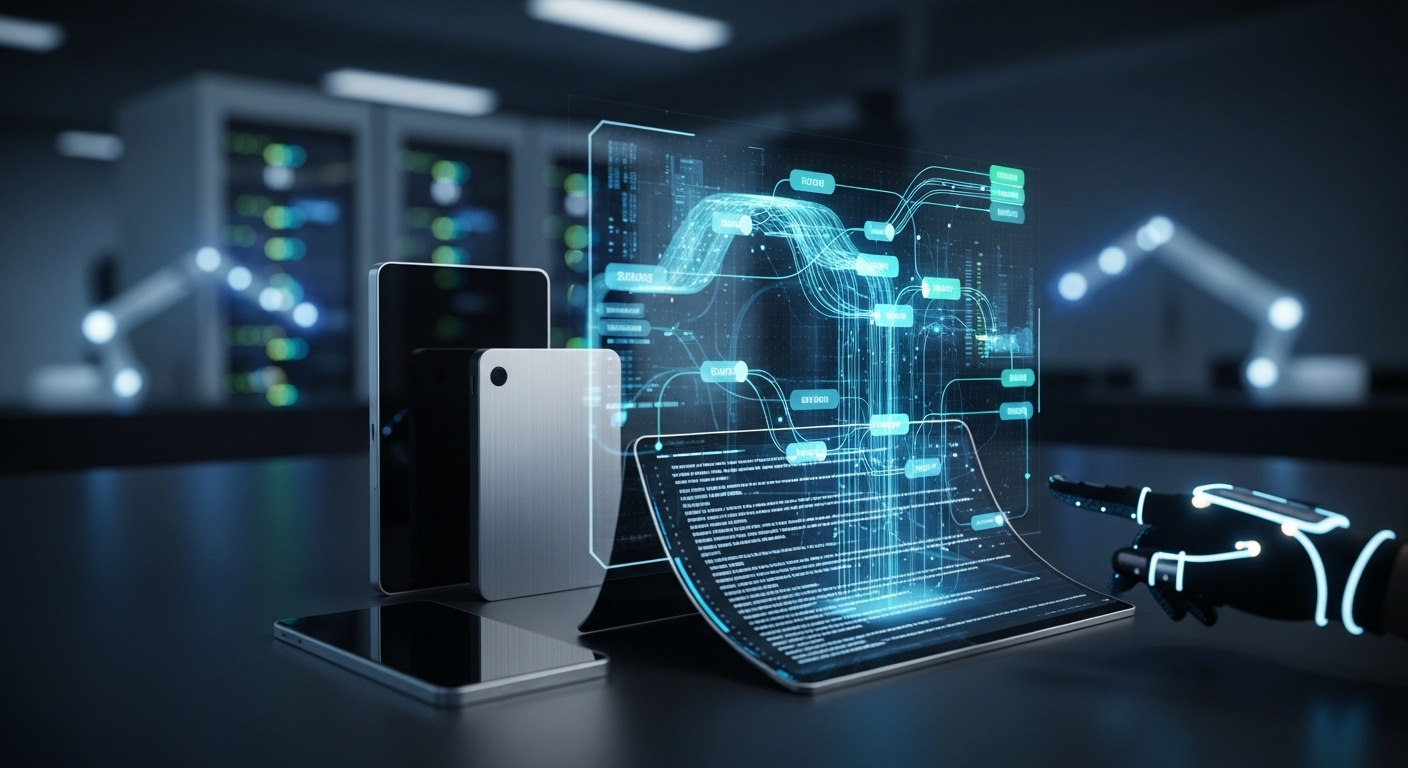
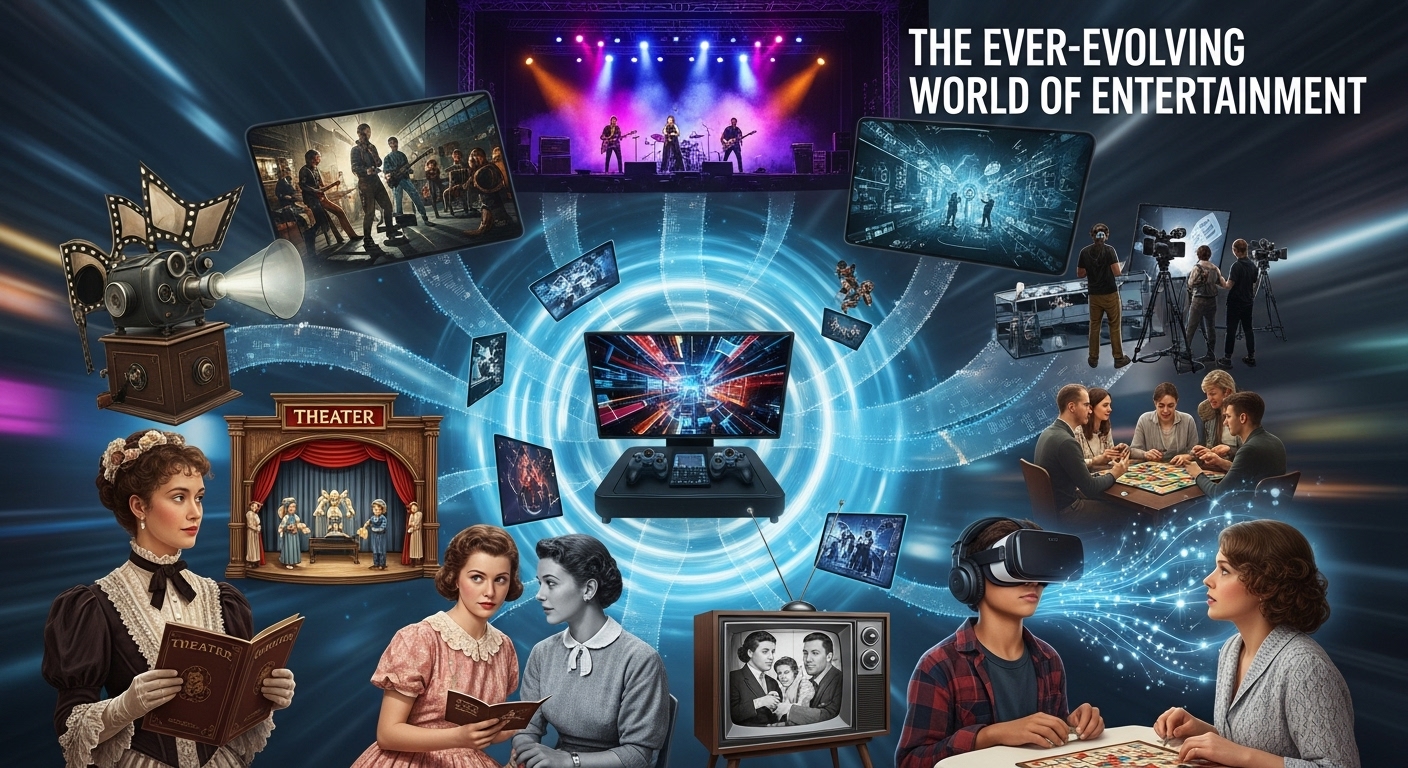
Technology has become an inseparable part of human existence. From the moment we wake up to the instant we go to bed, technology influences nearly every aspect of our lives. It has transformed how we communicate, work, learn, and entertain ourselves. While some may view technology as merely tools and gadgets, it is much more than that—it is a reflection of human creativity and ingenuity, constantly pushing boundaries and shaping the future.
The Rise of Digital Transformation
Digital transformation is no longer a buzzword; it is the foundation of modern society. Businesses across the globe are embracing digital technologies to streamline operations, enhance customer experiences, and stay competitive. Cloud computing, artificial intelligence, and the Internet of Things (IoT) are key drivers of this revolution.
Cloud computing has enabled businesses to store and access data seamlessly, reducing the need for physical infrastructure. Companies can scale quickly, deploy applications faster, and collaborate efficiently across geographical boundaries. Meanwhile, AI and machine learning have become essential in automating repetitive tasks, predicting trends, and providing personalized experiences to users.
IoT, on the other hand, connects everyday objects to the internet, allowing data collection and remote control. Smart homes, wearable devices, and connected vehicles are prime examples of how IoT is making our lives more convenient and efficient. The integration of these technologies is paving the way for intelligent systems that can anticipate human needs and respond proactively.
Artificial Intelligence: The Brain of Modern Technology
Artificial intelligence (AI) is one of the most transformative technological developments of the 21st century. AI systems mimic human intelligence, enabling machines to learn, reason, and solve problems. From voice assistants like Siri and Alexa to autonomous vehicles, AI is embedded in countless applications that impact daily life.
Machine learning, a subset of AI, allows computers to improve performance by learning from data. This capability has revolutionized industries such as healthcare, finance, and entertainment. In healthcare, AI helps diagnose diseases faster and more accurately than traditional methods. In finance, it aids in fraud detection and risk assessment. In entertainment, AI powers recommendation systems, tailoring content to individual preferences.
However, AI also raises ethical concerns. Issues such as job displacement, algorithmic bias, and privacy invasion require careful regulation and responsible implementation. The future of AI will depend not only on technological advancements but also on the frameworks we establish to ensure it benefits society as a whole.
The Evolution of Computing Power
The history of computing is a testament to human ingenuity. From bulky mainframes to sleek smartphones, computing power has grown exponentially. Moore’s Law, which predicted the doubling of transistors on a microchip approximately every two years, has largely held true, driving innovations in processing speed and efficiency.
Modern processors are capable of handling complex tasks that were unimaginable a few decades ago. Quantum computing, an emerging field, promises to take computational power to an entirely new level. Unlike classical computers, which process information in bits, quantum computers use qubits that can exist in multiple states simultaneously. This allows them to solve problems that are currently intractable for classical systems, such as complex simulations and optimization challenges.
Quantum computing is still in its infancy, but its potential applications are vast. Fields such as cryptography, drug discovery, and climate modeling could benefit immensely from quantum-powered solutions. As researchers continue to overcome technical hurdles, the quantum era may redefine what is possible in computing.
Cybersecurity in the Digital Age
As technology advances, so do the threats associated with it. Cybersecurity has become a critical concern for individuals, businesses, and governments. The proliferation of digital devices and online services has expanded the attack surface for cybercriminals, making robust security measures more important than ever.
Cyberattacks can have devastating consequences, ranging from financial losses to breaches of sensitive information. Organizations are investing heavily in cybersecurity infrastructure, employing technologies such as encryption, multi-factor authentication, and intrusion detection systems. AI is also being leveraged to identify and respond to threats in real-time.
For individuals, cybersecurity awareness is equally important. Simple practices like using strong passwords, updating software regularly, and being cautious with personal information online can significantly reduce risks. The ongoing battle between security measures and cyber threats highlights the need for continuous vigilance in an increasingly interconnected world.
The Internet of Things: Connecting Everything
The Internet of Things (IoT) is transforming everyday objects into intelligent devices capable of communicating and interacting with each other. Smart homes, smart cities, and connected industries exemplify the power of IoT in improving efficiency, safety, and convenience.
In smart homes, IoT devices such as thermostats, lighting systems, and security cameras can be controlled remotely through smartphones or voice assistants. This not only enhances comfort but also reduces energy consumption and operational costs. Smart cities leverage IoT to optimize traffic flow, manage waste, and monitor environmental conditions, contributing to sustainable urban development.
In industries, IoT enables predictive maintenance, real-time monitoring, and automation of complex processes. This results in increased productivity, reduced downtime, and lower operational expenses. The continuous growth of IoT is driving the development of new technologies, including edge computing and 5G networks, which further enhance connectivity and performance.
The Impact of 5G Technology
The rollout of 5G networks represents a significant leap in telecommunications. Compared to its predecessor, 4G, 5G offers faster speeds, lower latency, and the capacity to connect more devices simultaneously. This technology is not only enhancing mobile experiences but also enabling new applications in areas like autonomous vehicles, augmented reality, and smart cities.
For consumers, 5G means faster downloads, seamless streaming, and improved connectivity in crowded areas. For businesses, it opens up opportunities for innovative services, such as real-time remote monitoring, advanced robotics, and immersive virtual experiences. The widespread adoption of 5G is expected to drive economic growth, foster innovation, and support the development of next-generation technologies.
Virtual Reality and Augmented Reality: Blurring the Line Between Digital and Physical
Virtual reality (VR) and augmented reality (AR) are reshaping how we interact with digital content. VR immerses users in a completely digital environment, while AR overlays digital elements onto the physical world. Both technologies have applications across entertainment, education, healthcare, and beyond.
In gaming, VR offers fully immersive experiences, allowing players to interact with virtual worlds in unprecedented ways. AR enhances real-world experiences by adding contextual information, useful in fields such as navigation, retail, and industrial maintenance. In education, VR and AR provide interactive learning environments, making complex concepts easier to understand and retain.
Healthcare also benefits from these technologies. Surgeons can use VR to practice procedures in a risk-free environment, while AR can assist in real-time during surgeries by overlaying critical information onto the patient. As hardware becomes more affordable and software more sophisticated, VR and AR are poised to become mainstream, changing how we work, learn, and play.
Robotics and Automation: Redefining Industry
Robotics and automation have revolutionized manufacturing and logistics, improving efficiency, precision, and safety. Industrial robots perform tasks ranging from assembly and welding to packaging and quality control. Automated systems reduce human error and operational costs, allowing companies to focus on innovation and growth.
Service robots are also emerging in sectors such as healthcare, hospitality, and retail. These robots assist with tasks like delivering medication, guiding customers, and performing repetitive chores. AI-powered robots are capable of learning from their environment and adapting to new situations, making them more versatile and effective.
While automation increases productivity, it also raises concerns about job displacement. Balancing technological advancement with workforce development is crucial. Reskilling and upskilling programs can help workers transition to new roles, ensuring that automation benefits society without leaving people behind.
Blockchain Technology: Beyond Cryptocurrency
Blockchain technology, often associated with cryptocurrencies like Bitcoin, has far-reaching implications beyond digital currencies. At its core, blockchain is a decentralized, immutable ledger that records transactions securely and transparently. This makes it ideal for applications in finance, supply chain management, healthcare, and more.
In finance, blockchain enables faster and more secure transactions, reducing the need for intermediaries. In supply chains, it provides end-to-end visibility, ensuring product authenticity and reducing fraud. In healthcare, blockchain can securely store patient records, ensuring privacy and improving data interoperability.
The decentralized nature of blockchain also opens up possibilities for new governance models, digital identity systems, and secure voting mechanisms. As the technology matures, its potential to disrupt traditional systems and create new opportunities will continue to grow.
Green Technology and Sustainable Innovation
As environmental concerns become more pressing, green technology is gaining momentum. Renewable energy sources such as solar, wind, and hydroelectric power are being integrated into national grids, reducing dependence on fossil fuels. Energy-efficient devices and sustainable manufacturing practices are also contributing to a lower carbon footprint.
Electric vehicles (EVs) are a prime example of sustainable innovation. With advancements in battery technology and charging infrastructure, EVs are becoming more practical and affordable, reducing greenhouse gas emissions and reliance on oil. Smart grids, energy storage solutions, and carbon capture technologies are further enabling a transition to a more sustainable future.
Technology is not only improving efficiency but also fostering awareness and behavioral change. IoT sensors, AI-driven analytics, and data visualization tools help monitor environmental impact, empowering individuals and organizations to make informed decisions. Sustainable technology is not just a trend; it is a necessity for the survival of our planet.
The Future of Technology: Opportunities and Challenges
The pace of technological advancement shows no signs of slowing down. Emerging technologies like AI, quantum computing, robotics, and biotechnology will continue to reshape industries and societies. These innovations hold immense promise, from curing diseases and combating climate change to enhancing human capabilities and creating entirely new forms of entertainment.
However, the rapid evolution of technology also presents challenges. Ethical considerations, privacy concerns, digital divides, and security threats must be addressed to ensure technology serves humanity positively. Responsible innovation, inclusive policies, and global collaboration will be key to navigating this complex landscape.
Ultimately, the future of technology depends on how we choose to harness it. By fostering creativity, embracing learning, and prioritizing ethical use, we can create a world where technology enhances human potential and improves the quality of life for all.
Conclusion
Technology is no longer just a tool; it is the fabric of modern life. From AI-driven solutions and IoT connectivity to sustainable innovations and immersive digital experiences, technology continues to redefine what is possible. Its influence extends beyond convenience and efficiency, shaping the way we think, work, and interact with the world.
As we stand at the intersection of incredible possibilities and unprecedented challenges, it is our responsibility to use technology wisely. By embracing innovation while maintaining ethical standards, we can ensure a future where technology empowers humanity, drives progress, and creates a better, more connected world.