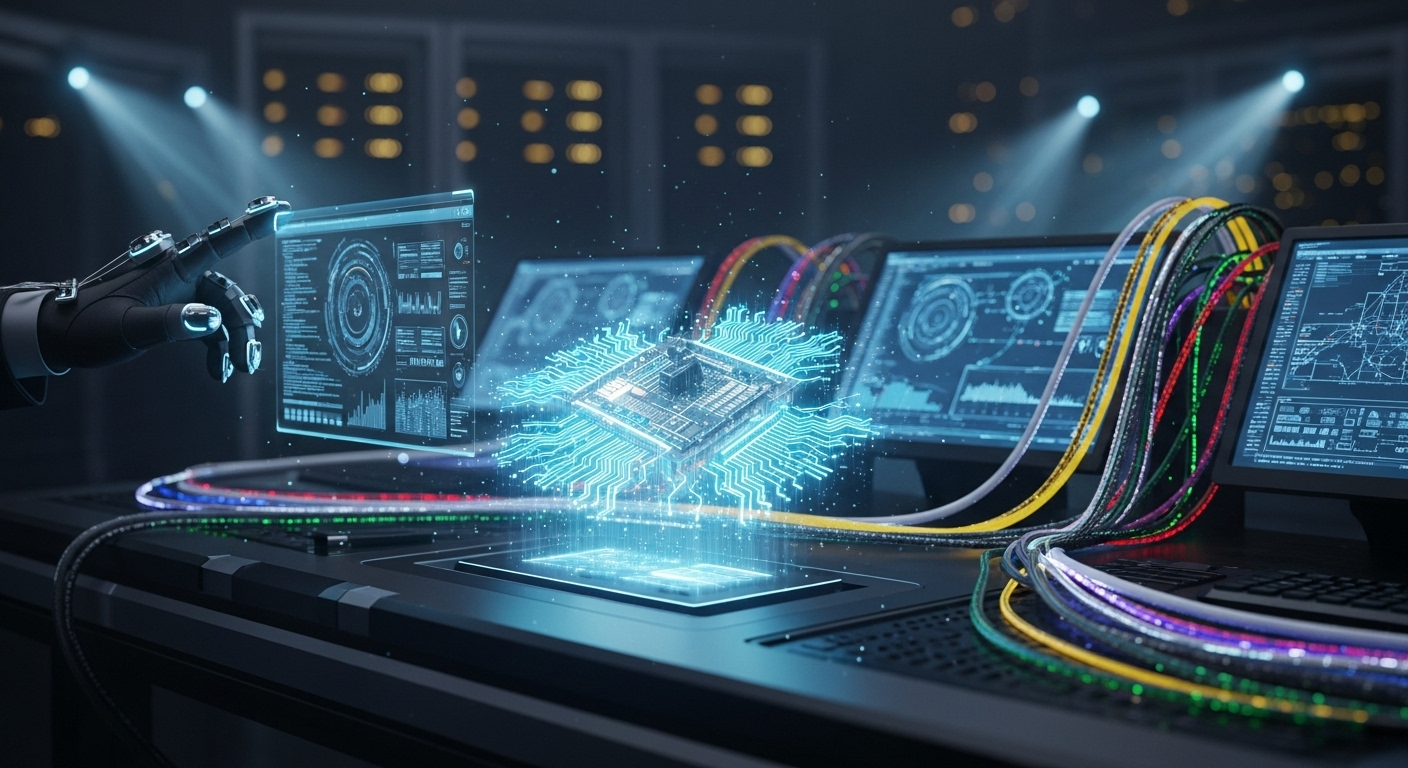

Technology has become the cornerstone of modern society. It influences how we communicate, learn, work, travel, and entertain ourselves. Over the past few decades, technological innovations have accelerated at an unprecedented pace, bringing both opportunities and challenges. From artificial intelligence to renewable energy, quantum computing, and biotechnology, the tools and systems we create today are shaping the future of humanity. This blog explores the most significant technological trends, their applications, and the implications they hold for society.
Artificial Intelligence: Transforming the World Around Us
Artificial intelligence, or AI, is transforming industries and everyday life. AI systems can process large amounts of data, detect patterns, and make predictions more efficiently than humans in specific areas. These capabilities are revolutionizing healthcare, finance, manufacturing, education, and entertainment.
In healthcare, AI assists doctors by analyzing medical scans and predicting disease progression. For example, AI algorithms can detect early signs of cancer or cardiovascular conditions, allowing for timely intervention. AI also enables personalized treatment plans tailored to a patient’s genetic makeup, improving outcomes and reducing side effects. In finance, AI automates trading, detects fraud, and predicts market trends, enhancing decision-making and efficiency. AI is also embedded in daily tools such as virtual assistants, recommendation systems, and smart home devices, making life more convenient and personalized.
Despite its promise, AI raises ethical and societal concerns. Issues such as bias in algorithms, privacy violations, and potential job displacement require careful oversight. Ensuring responsible AI development is essential to maximize its benefits while minimizing harm.
Quantum Computing: Redefining Computational Possibilities
Quantum computing is a transformative advancement in computing. Unlike traditional computers, which rely on bits representing 0 or 1, quantum computers use qubits that can exist in multiple states simultaneously. This allows them to solve complex problems exponentially faster than classical systems.
Quantum computing has enormous potential in medicine, cryptography, logistics, and material science. In healthcare, quantum simulations can model molecular interactions, accelerating drug discovery and personalized treatments. In cybersecurity, quantum computing could break traditional encryption, prompting the need for advanced security methods. Though still in its early stages, quantum computing promises to revolutionize how we process information, opening new possibilities that were previously unimaginable.
Biotechnology: Engineering Life and Sustainability
Biotechnology has emerged as a key technology reshaping healthcare, agriculture, and environmental sustainability. Techniques like CRISPR allow precise gene editing, offering solutions to genetic disorders, diseases, and food production challenges.
In medicine, biotechnology enables treatments for inherited disorders, certain cancers, and other complex conditions. Personalized medicine, informed by an individual’s DNA, ensures treatments are more effective and have fewer side effects. Agriculture benefits from genetically modified crops that resist disease, pests, and harsh climates, addressing global food security. Additionally, biotechnology contributes to environmental sustainability through biofuels, biodegradable materials, and microorganisms designed to clean pollutants.
While biotechnology presents immense opportunities, it also raises ethical concerns. Responsible research, regulation, and oversight are crucial to prevent misuse and ensure that innovations benefit both humans and the environment.
Renewable Energy: Powering a Sustainable Future
The demand for renewable energy has grown significantly as the world faces climate change and energy scarcity. Technologies such as solar, wind, and advanced battery storage are transforming the energy sector.
Solar panels are becoming more efficient and affordable, while wind turbines harness energy more effectively. Energy storage systems ensure a continuous power supply, even when sunlight or wind is not available. Electric vehicles are benefiting from these advances, reducing reliance on fossil fuels and minimizing greenhouse gas emissions. Smart grids optimize energy distribution, reduce waste, and enhance sustainability. Together, these technologies pave the way for a cleaner and more resilient energy future.
The Internet of Things: Creating an Intelligent World
The Internet of Things (IoT) is creating a connected ecosystem of devices that communicate and share data. IoT applications enhance efficiency, safety, and convenience across homes, industries, and cities.
In homes, IoT devices automate lighting, heating, and security systems based on user preferences, improving comfort and energy efficiency. Industrial IoT monitors machinery to predict maintenance needs, reduce downtime, and increase productivity. Smart cities leverage IoT to manage traffic, optimize energy consumption, and improve public services. By connecting devices and infrastructure, IoT transforms ordinary environments into intelligent systems that respond to human needs.
Virtual Reality and Augmented Reality: Immersive Experiences
Virtual reality (VR) and augmented reality (AR) are redefining the way humans interact with technology. VR immerses users in fully digital environments, while AR overlays digital information onto the physical world.
In education, VR allows students to explore historical events, conduct experiments, and experience distant places interactively. In healthcare, AR assists surgeons by providing real-time information during operations, improving precision and outcomes. VR and AR also enhance professional training, allowing employees to practice high-risk or complex tasks safely in simulated environments. These immersive technologies are bridging the gap between digital and physical worlds, offering new ways to learn, work, and engage with information.
Cybersecurity: Protecting the Digital Realm
As technology becomes deeply integrated into everyday life, cybersecurity has become a critical concern. Threats such as ransomware, phishing attacks, and data breaches continue to grow in frequency and sophistication.
AI-powered cybersecurity tools can detect unusual activity, predict potential threats, and respond in real time. However, cybercriminals are also leveraging AI to design more sophisticated attacks. Maintaining digital security requires vigilance, continuous innovation, and collaboration across industries and governments. Protecting sensitive data, personal information, and critical infrastructure is essential for trust in the digital ecosystem.
Automation and Robotics: Transforming Industry and Labor
Automation and robotics are reshaping industries by performing repetitive, dangerous, or highly precise tasks. In manufacturing, robots assemble products quickly and accurately, reducing errors and enhancing productivity. In logistics, automated systems optimize inventory management, streamline warehouse operations, and improve delivery efficiency.
Autonomous vehicles, drones, and robotic assistants are increasingly being integrated into daily operations, enhancing convenience and performance. While automation increases efficiency, it also emphasizes the importance of reskilling workers to adapt to new roles that require critical thinking, creativity, and oversight of automated systems.
Ethical and Social Considerations in Technology
The rapid advancement of technology raises important ethical and societal questions. AI bias, privacy issues, job displacement, environmental impact, and the ethical use of biotechnology are all concerns that require careful attention.
Developing ethical frameworks, promoting transparency, and encouraging inclusive decision-making are essential. Policymakers, technologists, and communities must collaborate to ensure that technology serves humanity responsibly. Balancing innovation with social responsibility will determine whether technological progress benefits all members of society.
The Road Ahead: Opportunities and Challenges
The future of technology is filled with both promise and challenges. AI, quantum computing, biotechnology, renewable energy, IoT, VR, AR, cybersecurity, and automation are reshaping the world around us. These technologies offer opportunities to improve healthcare, increase productivity, enhance education, promote sustainability, and improve quality of life.
At the same time, rapid technological growth introduces risks such as ethical dilemmas, social inequality, environmental challenges, and potential misuse of advanced tools. Successfully navigating this future will require thoughtful governance, responsible innovation, and proactive adaptation by individuals, businesses, and governments alike.
Conclusion: Embracing the Technological Renaissance
Technology today is more than a set of tools—it is a transformative force that shapes society. AI expands human intelligence, quantum computing breaks computational boundaries, biotechnology redefines life and health, and renewable energy powers sustainability. IoT, VR, AR, robotics, and cybersecurity ensure our digital world is connected, immersive, and secure.
The choices we make today will shape the impact of technology on future generations. By prioritizing ethical practices, sustainability, and responsible innovation, humanity can harness technology’s full potential to create a smarter, safer, and more connected world. The technological renaissance is not just about innovation; it is about using technology to enhance human potential and build a better future for all.