
Introduction: Technology as a Catalyst for Change
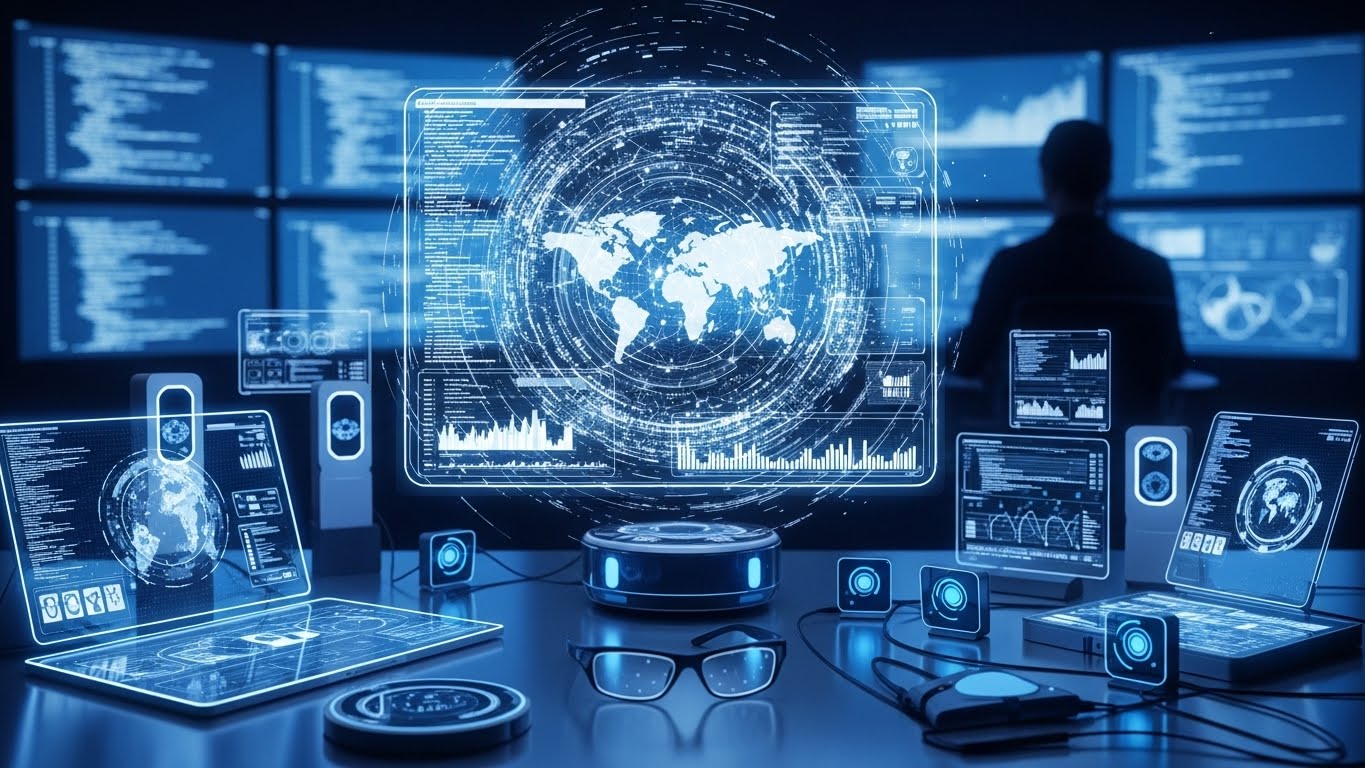
In the modern world, technology is no longer a luxury—it is a necessity that drives human progress. From communication and healthcare to transportation and education, technology has transformed virtually every aspect of daily life. The pace of innovation has accelerated in the past few decades, and its impact continues to grow exponentially. Today, technology shapes the way we work, interact, and even think, making it a defining element of the 21st century. Understanding the scope of technological advancements helps us grasp how deeply embedded it has become in our society and how it will continue to influence the future.
Artificial Intelligence: The Brain Behind Innovation
Artificial Intelligence, or AI, represents one of the most revolutionary advancements in modern technology. AI systems are capable of analyzing vast amounts of data, recognizing patterns, and making decisions with minimal human intervention. This has led to practical applications in healthcare, finance, transportation, and customer service. In medicine, AI is assisting in early diagnosis and personalized treatment plans. In business, it optimizes operations, predicts consumer behavior, and enhances decision-making. As AI continues to evolve, it is reshaping industries and redefining the possibilities of what machines can achieve alongside humans.
The Internet of Things: Connecting Our World
The Internet of Things, or IoT, is another transformative force in technology. IoT refers to the network of connected devices that communicate and exchange data, creating smarter and more efficient systems. Smart homes, equipped with sensors and automation, allow individuals to control lighting, temperature, and security remotely. In industries, IoT devices monitor machinery, reduce downtime, and improve productivity. IoT not only increases convenience but also contributes to sustainability by optimizing energy consumption and resource management. The interconnectedness of IoT devices is laying the groundwork for a future in which almost everything is digitally integrated.
Cloud Computing: The Backbone of the Digital World
Cloud computing has revolutionized how data is stored, accessed, and shared. By enabling data and applications to be hosted on remote servers, cloud technology allows organizations to collaborate efficiently, scale operations, and reduce infrastructure costs. Cloud services also support innovations such as remote work, online education, and real-time analytics. Businesses can deploy software instantly and access critical data from anywhere in the world. Cloud computing has become the backbone of modern digital infrastructure, supporting industries across healthcare, finance, entertainment, and logistics.
Big Data: Unlocking Insights and Potential
The digital age generates an enormous amount of data every second. Big data refers to this massive volume of information that, when analyzed effectively, provides insights into trends, behavior, and decision-making patterns. Companies use big data to optimize operations, predict consumer preferences, and enhance user experiences. In healthcare, big data helps track disease outbreaks, improve patient outcomes, and develop personalized treatment strategies. The integration of big data with AI has created predictive systems that make processes more efficient and strategic across multiple sectors.
Virtual and Augmented Reality: Redefining Experience
Virtual Reality (VR) and Augmented Reality (AR) are transforming how people interact with digital content. VR immerses users in fully digital environments, while AR overlays digital elements onto the real world. These technologies are revolutionizing gaming, education, healthcare, and professional training. Medical professionals can practice complex surgeries in virtual settings, students can explore historical or scientific simulations, and architects can visualize building designs before construction. VR and AR provide immersive experiences that enhance learning, creativity, and entertainment, bridging the gap between imagination and reality.
Blockchain Technology: Trust in a Digital Age
Blockchain is best known as the technology behind cryptocurrencies, but its potential extends far beyond digital money. Blockchain provides secure, transparent, and decentralized ways to record transactions and verify information. Industries are adopting blockchain for supply chain management, secure voting, digital identity verification, and intellectual property protection. The technology ensures data integrity and reduces the risk of fraud, creating a foundation of trust in digital systems. As blockchain continues to evolve, it is likely to redefine how businesses, governments, and individuals manage digital information.
Robotics and Automation: Redefining Industry
Automation and robotics have fundamentally changed manufacturing, logistics, and healthcare. Industrial robots handle repetitive tasks with high precision, increasing productivity and reducing human error. In warehouses, automated systems streamline inventory management and order fulfillment. In healthcare, robotic-assisted surgeries improve accuracy and reduce recovery time. Robotics is no longer limited to industrial applications—it is expanding into everyday life, from personal assistants to autonomous vehicles, signaling a future where machines and humans collaborate seamlessly.
Green Technology: Innovating for Sustainability
Technology is playing a critical role in addressing environmental challenges. Renewable energy solutions such as solar, wind, and hydroelectric power are becoming increasingly efficient and cost-effective. Electric vehicles and smart grids are helping reduce carbon emissions and manage energy consumption more effectively. Innovations in waste management, water conservation, and eco-friendly manufacturing demonstrate how technology can promote sustainability. Green technology ensures that progress is not only about efficiency and convenience but also about responsibility and environmental stewardship.
5G and the Era of Hyper-Connectivity
The rollout of 5G networks marks a significant milestone in connectivity. With faster speeds, lower latency, and greater capacity, 5G enables seamless communication and real-time data exchange. This technology is critical for IoT devices, autonomous vehicles, telemedicine, and immersive digital experiences. Enhanced connectivity also supports remote work, online education, and smart city infrastructure. 5G represents a leap forward in how humans, machines, and devices interact, paving the way for a more connected and responsive world.
Technology in Healthcare: Transforming Lives
Healthcare has been profoundly impacted by technological innovation. Telemedicine allows patients to consult with doctors remotely, wearable devices monitor health in real-time, and AI-driven diagnostics improve accuracy. Robotics in surgery and rehabilitation enhances patient outcomes, while big data supports public health monitoring and personalized medicine. Technology is making healthcare more accessible, efficient, and precise, improving quality of life and extending human longevity.
Education in the Digital Age
Education has been transformed by technology, making learning more interactive, flexible, and personalized. Online platforms and virtual classrooms allow students to access education from anywhere in the world. AI-powered tutoring systems adapt to individual learning styles, helping students grasp concepts more effectively. Interactive simulations, VR experiences, and gamified learning tools make education engaging and practical. Technology equips learners with digital literacy and problem-solving skills necessary for success in a fast-changing world.
Ethical Considerations in Technology
While technological advancements offer immense benefits, they also raise ethical concerns. Privacy, data security, and algorithmic bias are pressing issues that need careful consideration. The rise of AI and automation poses questions about job displacement, inequality, and societal dependence on machines. Ethical frameworks and responsible innovation are crucial to ensure that technology serves humanity positively. Developers, policymakers, and society must work together to mitigate risks while maximizing benefits.
Emerging Trends and the Future of Technology
The future of technology is promising and complex. Quantum computing has the potential to solve problems far beyond the capabilities of traditional computers. Biotechnology and genetic engineering are transforming medicine and agriculture. Immersive experiences through VR and AR are becoming more integrated into daily life. Smart cities leverage data to optimize infrastructure, reduce waste, and improve quality of life. The convergence of AI, robotics, and connectivity will redefine human experiences and push the boundaries of what is possible.
Conclusion: Technology as a Force for Progress
Technology is a driving force that continues to shape the modern world in profound ways. It fuels innovation, creativity, and productivity while providing solutions to global challenges. From AI and IoT to robotics, VR, and green energy, technology touches every aspect of life. The future promises even greater advancements, but responsible and ethical use will be key to ensuring that technology benefits society as a whole. By embracing innovation thoughtfully, humanity can harness technology to create a smarter, more connected, and sustainable world.