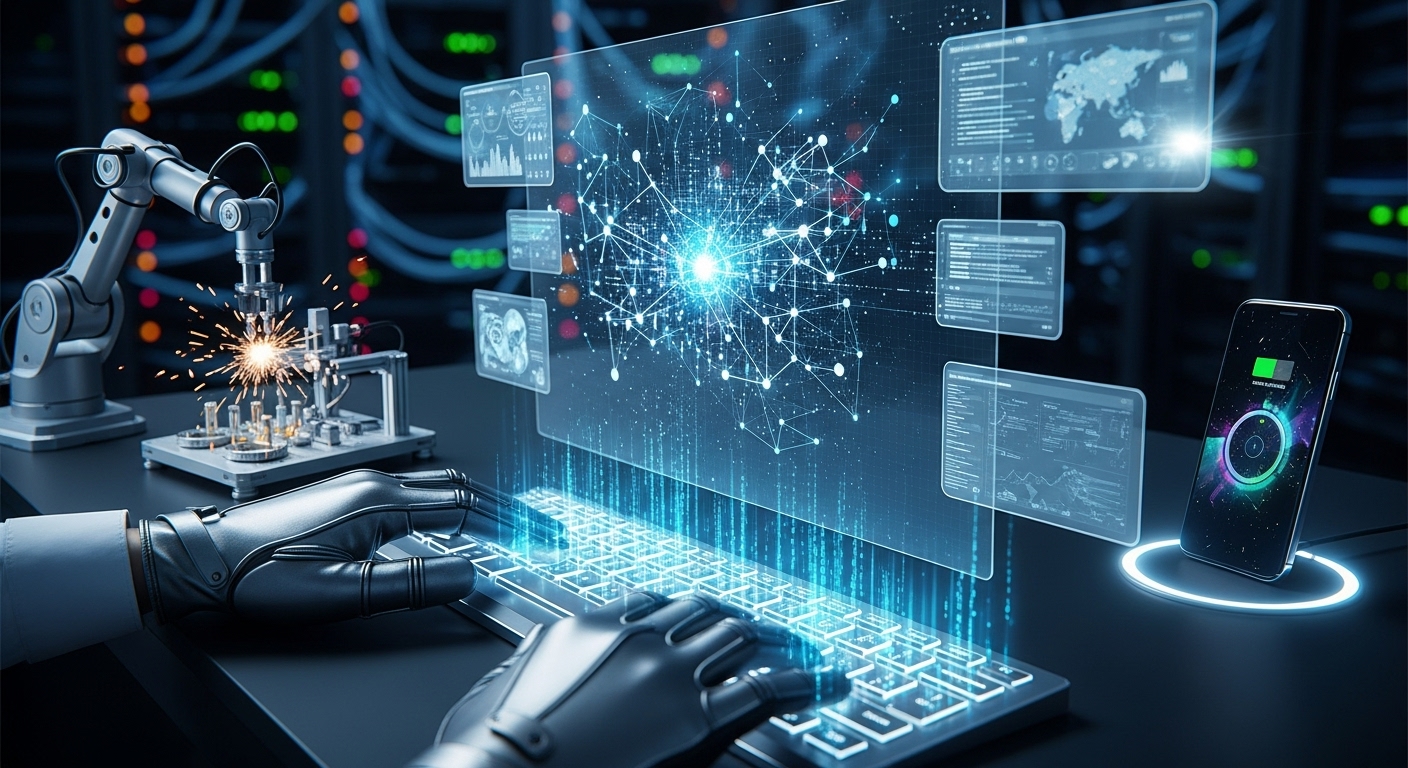
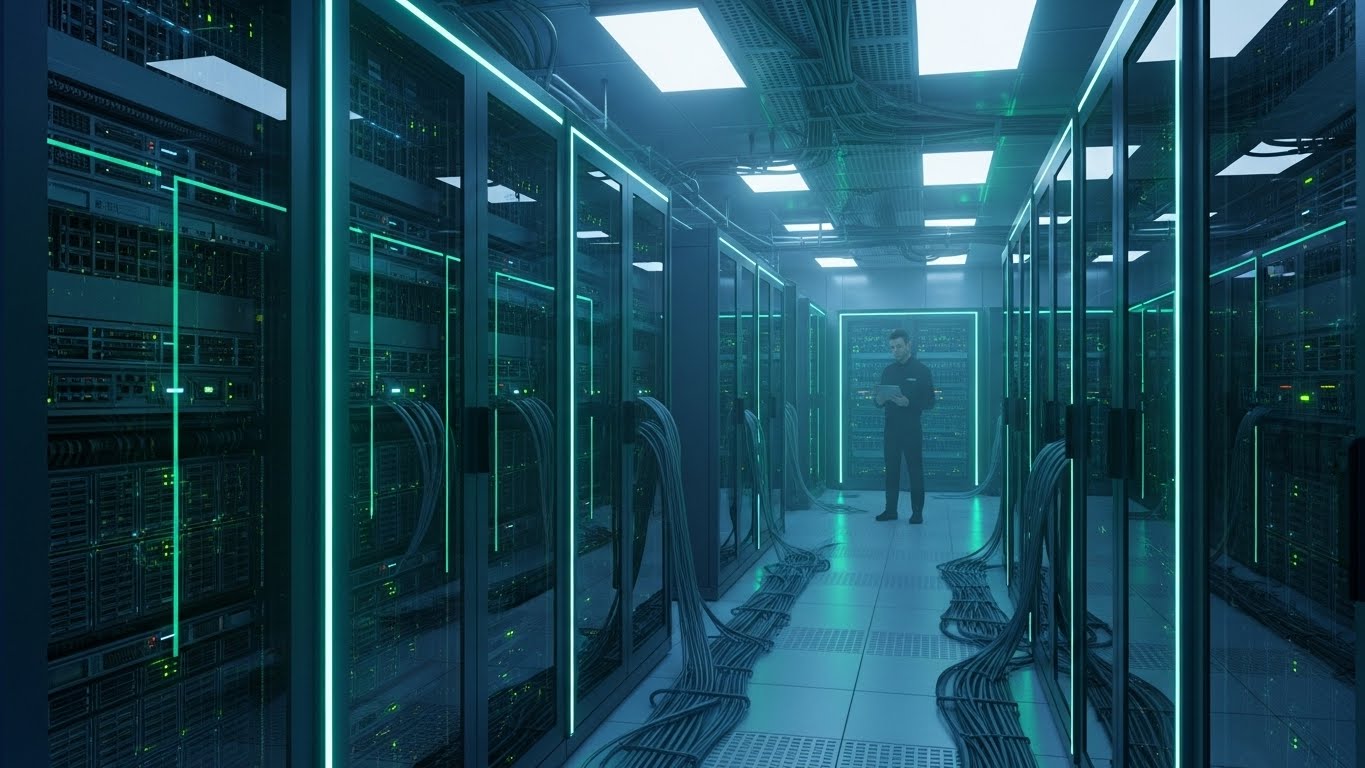
Technology has become the cornerstone of modern life, transforming the way we communicate, work, and live. From smartphones and artificial intelligence to renewable energy and space exploration, technological innovations continue to redefine human possibilities. The pace of change is unprecedented, and understanding the current trends and future potential of technology is essential for anyone seeking to navigate this rapidly evolving landscape. This blog explores the history, impact, challenges, and future of technology, offering a comprehensive view of the forces shaping our world.
The Evolution of Technology
Technology is not new, but its rate of advancement has accelerated dramatically in the past century. Early inventions such as the wheel, the printing press, and the steam engine laid the foundation for industrial progress. The 20th century brought electrification, the telephone, and the computer, all of which transformed society. The digital revolution, which began in the late 20th century, marked a turning point, introducing personal computers, the internet, and mobile devices into everyday life.
Today, technology is embedded in nearly every aspect of human existence. It connects people across continents, automates complex processes, and provides instant access to vast amounts of information. The pace of technological innovation shows no signs of slowing, as breakthroughs in artificial intelligence, robotics, biotechnology, and quantum computing continue to expand human capability.
The Impact of Artificial Intelligence
Artificial intelligence (AI) has emerged as one of the most transformative technologies of the modern era. AI systems can analyze vast amounts of data, recognize patterns, and make decisions with minimal human intervention. Applications range from virtual assistants and self-driving cars to predictive analytics and healthcare diagnostics.
In industries such as finance, AI algorithms can detect fraud and optimize investment strategies. In healthcare, AI assists in early disease detection, personalized treatment plans, and medical imaging analysis. AI-powered automation is also reshaping manufacturing, logistics, and customer service, reducing costs while improving efficiency. Despite its advantages, AI raises ethical questions about privacy, job displacement, and decision-making transparency, which society must address responsibly.
The Rise of Smart Devices
The proliferation of smart devices has fundamentally changed daily life. Smartphones, smartwatches, and connected home devices have created an ecosystem in which people can control environments, monitor health, and access information instantly. The Internet of Things (IoT) allows devices to communicate with each other, enabling smart homes, smart cities, and connected transportation systems.
Smart devices not only enhance convenience but also collect valuable data that can inform better decision-making. For example, wearable fitness trackers monitor physical activity and provide insights into health trends, while smart home systems optimize energy usage and improve security. The challenge lies in balancing convenience with privacy and ensuring that data is used responsibly and securely.
Renewable Energy and Sustainable Technology
As concerns over climate change grow, technology has become a critical tool in promoting sustainability. Renewable energy technologies, such as solar, wind, and hydropower, are reducing dependence on fossil fuels. Advances in energy storage, smart grids, and electric vehicles are creating more efficient and eco-friendly energy ecosystems.
Sustainable technology extends beyond energy production. Innovations in agriculture, water management, and waste reduction are helping address environmental challenges. Precision farming, powered by drones and AI, optimizes crop yields while minimizing resource use. Smart water systems detect leaks and reduce wastage, and circular economy models promote recycling and sustainable production. These technologies are essential for building a future that balances progress with environmental responsibility.
Robotics and Automation
Robotics and automation are redefining how work is performed across industries. From manufacturing assembly lines to surgical operations, robots are capable of performing complex tasks with precision and consistency. Automation increases efficiency, reduces human error, and allows humans to focus on creative and strategic endeavors.
In logistics and supply chain management, autonomous vehicles and drones are accelerating delivery processes. In medicine, robotic-assisted surgery provides surgeons with enhanced precision and minimally invasive options. While automation offers numerous benefits, it also presents challenges, including workforce displacement and the need for new skill sets. Adapting to this shift requires education, training, and policies that support workforce transitions.
Space Technology and Exploration
Space technology has captured human imagination for decades, and recent advancements are making exploration more feasible than ever. Private companies and government agencies are investing in satellites, space travel, and extraterrestrial research. Satellites enhance communication, navigation, and Earth observation, while space missions contribute to scientific knowledge and inspire technological innovation.
The commercialization of space, including space tourism and asteroid mining, is opening new frontiers for economic and scientific opportunities. These advancements not only expand our understanding of the universe but also drive innovations that have practical applications on Earth, such as improved materials, energy systems, and communication networks.
Biotechnology and Healthcare Innovation
Biotechnology has revolutionized medicine, agriculture, and environmental management. Gene editing technologies, such as CRISPR, enable precise modifications to DNA, offering potential cures for genetic disorders and enhanced crop production. Personalized medicine, powered by genomic analysis, allows tailored treatments based on individual genetic profiles.
In healthcare, telemedicine, wearable devices, and AI diagnostics are improving patient outcomes and accessibility. Remote monitoring and digital health platforms reduce the need for hospital visits while providing continuous care. Biotechnology and health technology are converging to create more effective, efficient, and patient-centered healthcare systems.
Cybersecurity and Digital Safety
As technology advances, so do the risks associated with it. Cybersecurity has become a critical priority for individuals, businesses, and governments. Data breaches, ransomware attacks, and digital espionage threaten privacy, financial stability, and national security.
Effective cybersecurity requires a combination of technology, policies, and awareness. Encryption, multi-factor authentication, and AI-driven threat detection help protect sensitive information. Equally important is educating users about safe online practices and fostering a culture of digital responsibility. As technology evolves, cybersecurity must adapt to new threats while ensuring that the digital world remains safe and trustworthy.
The Role of Education in Technological Advancement
Education is central to preparing society for the challenges and opportunities presented by technology. Schools, universities, and training programs are increasingly emphasizing digital literacy, coding, and critical thinking skills. Lifelong learning has become essential, as technology changes rapidly and requires ongoing adaptation.
Innovations in educational technology, including virtual classrooms, AI tutoring systems, and immersive simulations, are enhancing the learning experience. These tools allow students to acquire skills more efficiently, explore complex concepts interactively, and prepare for careers in emerging technological fields. Education and technology are interconnected, with each driving the progress of the other.
Challenges and Ethical Considerations
While technology offers immense benefits, it also poses challenges and ethical dilemmas. Issues such as data privacy, AI bias, environmental impact, and the digital divide must be addressed proactively. Society must consider who controls technology, how it is used, and who benefits from it.
The digital divide remains a significant concern, as access to technology is not uniform across regions or socioeconomic groups. Ensuring equitable access to technology is essential for fostering inclusive growth and preventing further inequality. Ethical frameworks, regulations, and responsible innovation are crucial to guide technology toward positive and sustainable outcomes.
The Future of Technology
The future of technology promises even greater transformation. Emerging trends such as quantum computing, brain-computer interfaces, autonomous systems, and next-generation AI have the potential to redefine human capabilities. Quantum computing could solve problems currently beyond the reach of classical computers, while brain-computer interfaces may create new forms of human-computer interaction.
Artificial intelligence will continue to evolve, enabling smarter automation, predictive analytics, and personalized experiences. Space exploration may expand into new frontiers, while renewable technologies will further support a sustainable global economy. The key to navigating this future lies in embracing innovation responsibly, fostering creativity, and prioritizing ethical considerations.
Conclusion: Embracing the Tech Odyssey
Technology has fundamentally reshaped human existence, from the way we communicate and work to the way we explore the universe and care for our planet. Its rapid evolution presents both opportunities and challenges, requiring careful consideration of ethical, social, and environmental implications.
As we move forward, the key is to embrace technology as a tool for progress, creativity, and sustainability. By investing in education, promoting equitable access, and encouraging responsible innovation, society can harness the power of technology to improve lives, expand human potential, and shape a future that benefits everyone. The tech odyssey is ongoing, and the journey promises discoveries and advancements that will continue to redefine the possibilities of our world.