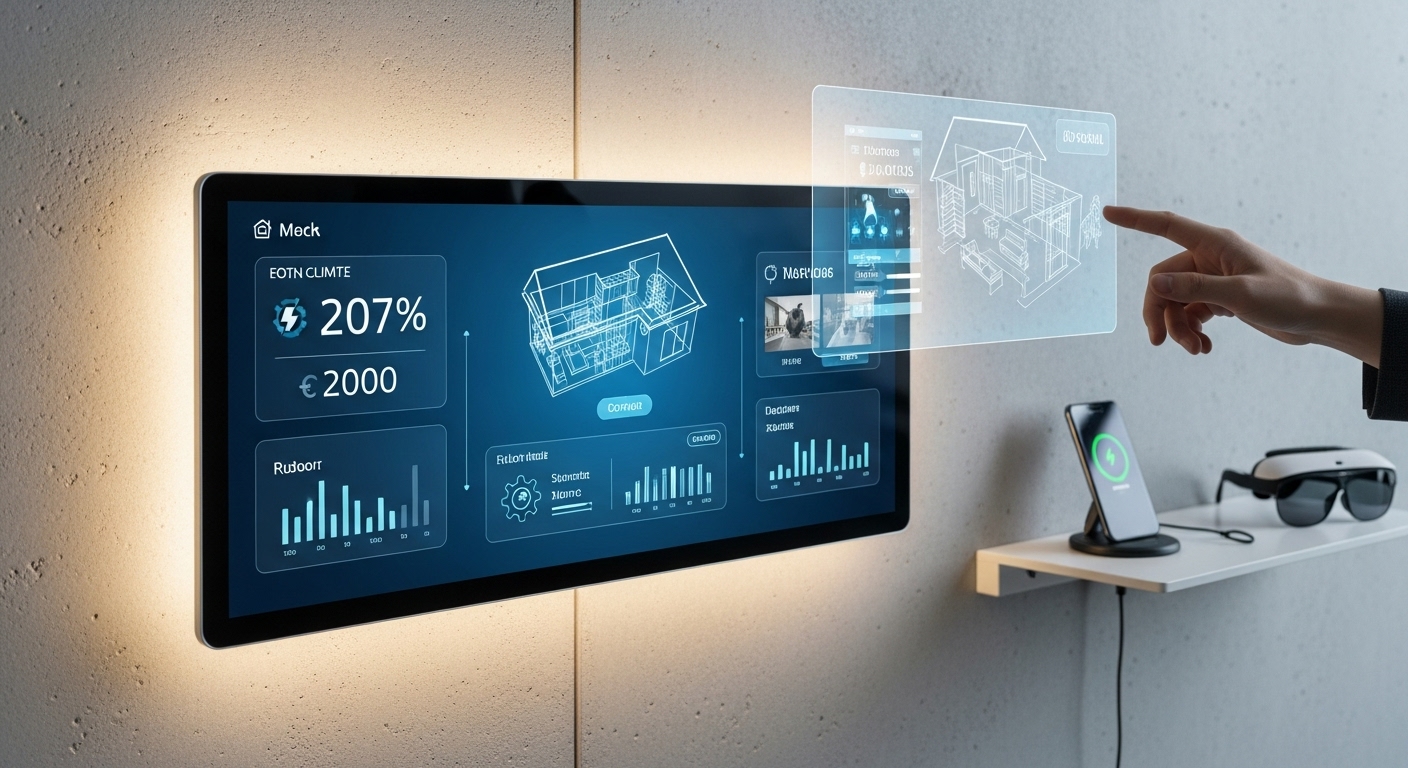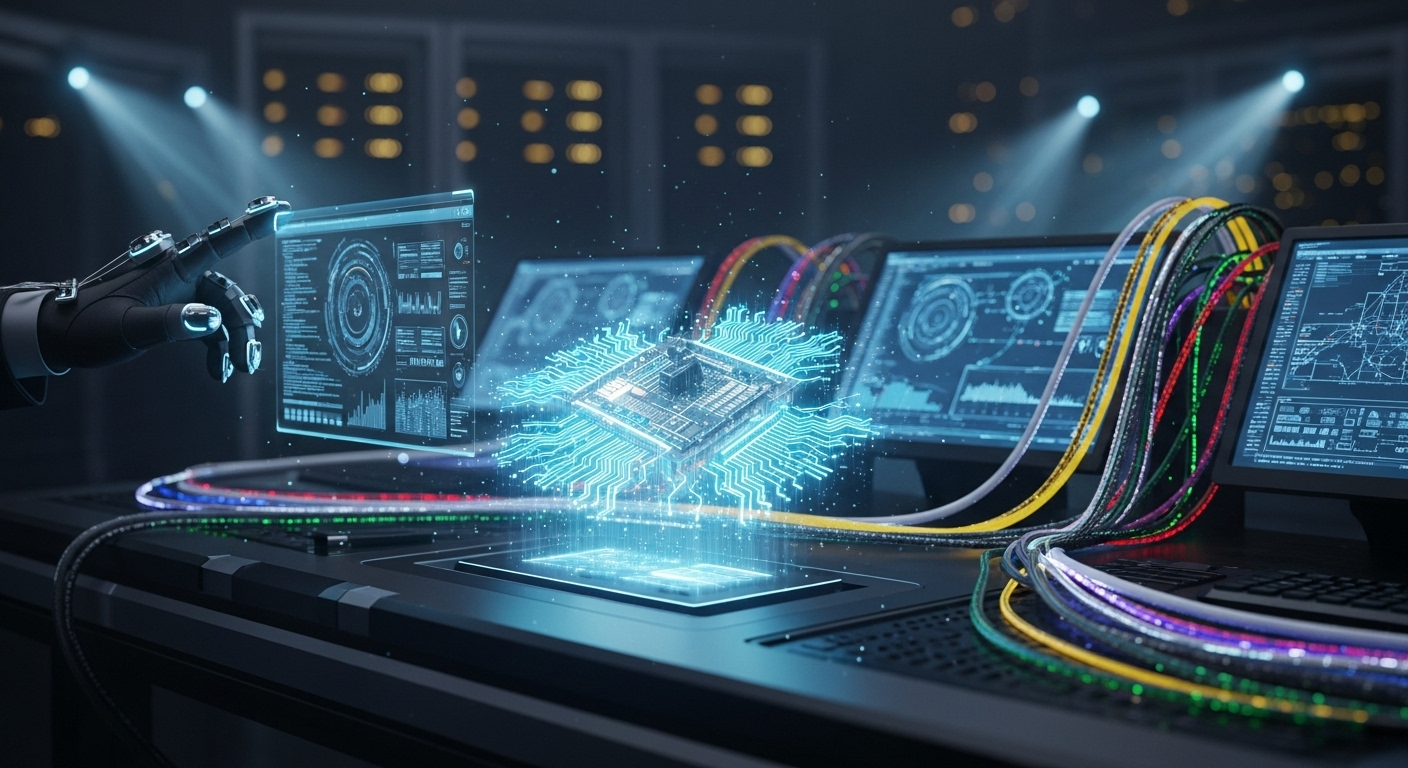

Technology is evolving at an unprecedented rate, transforming every aspect of our lives. From how we communicate to how we work and entertain ourselves, tech innovations are revolutionizing the world in ways we couldn’t have imagined just a decade ago. This constant progression in technology is not only pushing boundaries but is also creating new frontiers in industries that were once considered static. In this blog, we’ll explore some of the most exciting developments in the tech world, the impact they’re having on our daily lives, and what the future might hold.
The Surge of Artificial Intelligence: From Algorithms to Consciousness?
Artificial Intelligence (AI) is no longer a futuristic concept—it’s an active part of our lives today. AI algorithms are embedded in everything from voice assistants like Siri to self-driving cars, revolutionizing industries and everyday tasks. What was once science fiction is now becoming a reality. AI systems are now capable of learning from data, making predictions, and automating complex tasks that were previously exclusive to human capabilities.
AI’s role in industries like healthcare is particularly transformative. AI-powered diagnostic tools are now capable of detecting diseases like cancer earlier and more accurately than human doctors in some cases. In finance, AI is used to predict market trends, while in retail, it helps companies personalize recommendations for customers. As AI continues to evolve, we may even see it develop a level of cognitive abilities that resemble human intelligence, which could open doors to entirely new capabilities.
5G Networks: The Backbone of a Hyper-Connected Future
The arrival of 5G technology is set to revolutionize connectivity, pushing the boundaries of speed, reliability, and responsiveness. With download speeds up to 100 times faster than 4G, 5G networks will enable a new generation of devices to communicate seamlessly in real time. This isn’t just about faster internet for smartphones—5G will unlock innovations in a wide range of fields.
In healthcare, for example, 5G will allow for real-time remote surgery, where doctors can perform procedures on patients thousands of miles away using robotic tools. In transportation, 5G will be the backbone of self-driving cars, ensuring they can communicate with each other and their environment in split-second intervals, making roads safer. Moreover, the increased bandwidth and lower latency of 5G will facilitate the growth of the Internet of Things (IoT), where everyday devices—from refrigerators to smart cities—are interconnected and share data continuously.
Quantum Computing: The Next Frontier in Problem-Solving
Quantum computing stands at the forefront of one of the most exciting revolutions in tech. Unlike traditional computers, which use bits to represent data as either 0 or 1, quantum computers use qubits, which can represent and store data in multiple states simultaneously. This opens the door to solving incredibly complex problems that would take even the most powerful supercomputers millennia to crack.
In areas like cryptography, quantum computing could render traditional encryption methods obsolete, creating both challenges and new opportunities for cybersecurity. In medicine, quantum computing could accelerate drug discovery by simulating the interactions of molecules in ways that are impossible with current technology. Although quantum computing is still in its early stages, its potential to revolutionize everything from AI to financial modeling makes it one of the most anticipated technologies of the future.
Virtual and Augmented Reality: Redefining Experiences
Virtual Reality (VR) and Augmented Reality (AR) are changing the way we interact with the world around us. VR offers fully immersive experiences that transport users into digital environments, while AR blends digital elements with the real world, allowing users to interact with both simultaneously. These technologies, once confined to gaming, are now branching out into various industries.
In education, VR allows students to take virtual field trips or experience historical events firsthand, making learning more interactive and engaging. In healthcare, AR is helping surgeons perform complex procedures with more precision, while VR is being used for therapy and rehabilitation. In retail, AR is enabling consumers to try on clothes virtually or visualize how furniture would look in their homes before making a purchase. As these technologies continue to advance, their applications will expand even further, creating new forms of entertainment, work, and learning.
Blockchain Technology: More Than Just Cryptocurrency
Blockchain technology has emerged as one of the most disruptive forces in the digital world. While it is most famously associated with cryptocurrencies like Bitcoin and Ethereum, blockchain’s potential extends far beyond digital currencies. At its core, blockchain is a decentralized, transparent, and secure ledger system, which allows data to be stored across multiple computers in a way that makes it incredibly difficult to tamper with.
This technology is already transforming industries like finance, where blockchain is used for faster and more secure transactions, reducing the reliance on intermediaries like banks. But blockchain’s impact is not limited to finance. In supply chains, it provides a transparent way to track the journey of goods, ensuring authenticity and reducing fraud. In voting systems, blockchain could ensure secure and tamper-proof elections. As more industries adopt blockchain, its use cases will continue to expand, shaping the way we interact with data in a more secure, decentralized manner.
The Evolution of Smart Devices: The Internet of Everything
Smart devices are no longer just a trend—they are becoming an integral part of our daily lives. From smart thermostats and home assistants to wearable health trackers and connected cars, the Internet of Things (IoT) is creating an ecosystem where devices communicate and work together in ways we never imagined. This interconnectedness is making everyday tasks easier, more efficient, and more personalized.
Imagine waking up to your smart alarm, which adjusts the temperature of your room based on your preferences, and then preparing for your day with a coffee machine that has already brewed your coffee by the time you enter the kitchen. Meanwhile, your smart health tracker monitors your vitals and sends data to your doctor for analysis. As the IoT continues to expand, the potential for smarter cities, homes, and workplaces becomes more achievable. These devices will not only make life more convenient but also more responsive to our individual needs.
The Future of Work: Automation and Remote Collaboration
The workplace of tomorrow is rapidly taking shape, driven by automation, AI, and advancements in communication technologies. Automation is already transforming industries like manufacturing, logistics, and even creative fields, where AI tools are assisting in content creation, design, and customer service. As machines take over repetitive tasks, human workers can focus on higher-level, strategic roles.
At the same time, remote work is becoming the new normal for many industries. Thanks to cloud-based tools, video conferencing, and collaborative software, teams can work together from anywhere in the world, without being tied to a physical office. This flexibility not only makes work more efficient but also promotes a healthier work-life balance. As AI and automation continue to evolve, the future of work will be more fluid, collaborative, and tech-driven than ever before.
Conclusion: The Tech-Powered World Ahead
The rapid advancements in technology are changing the world at an accelerating pace, bringing about innovations that were once only imagined in science fiction. From AI and quantum computing to 5G, blockchain, and immersive realities, technology is transforming the way we live, work, and connect with one another. While these innovations bring exciting opportunities, they also present challenges that require careful consideration, from privacy concerns to ethical implications.
As we continue to push the boundaries of what is possible, one thing is certain: the tech-powered future is bright, and it’s unfolding right before our eyes. Embracing these advancements and adapting to a constantly changing landscape will be key to navigating the future and ensuring that technology continues to enhance our lives in meaningful ways.