
Introduction: The Ubiquitous Presence of Technology
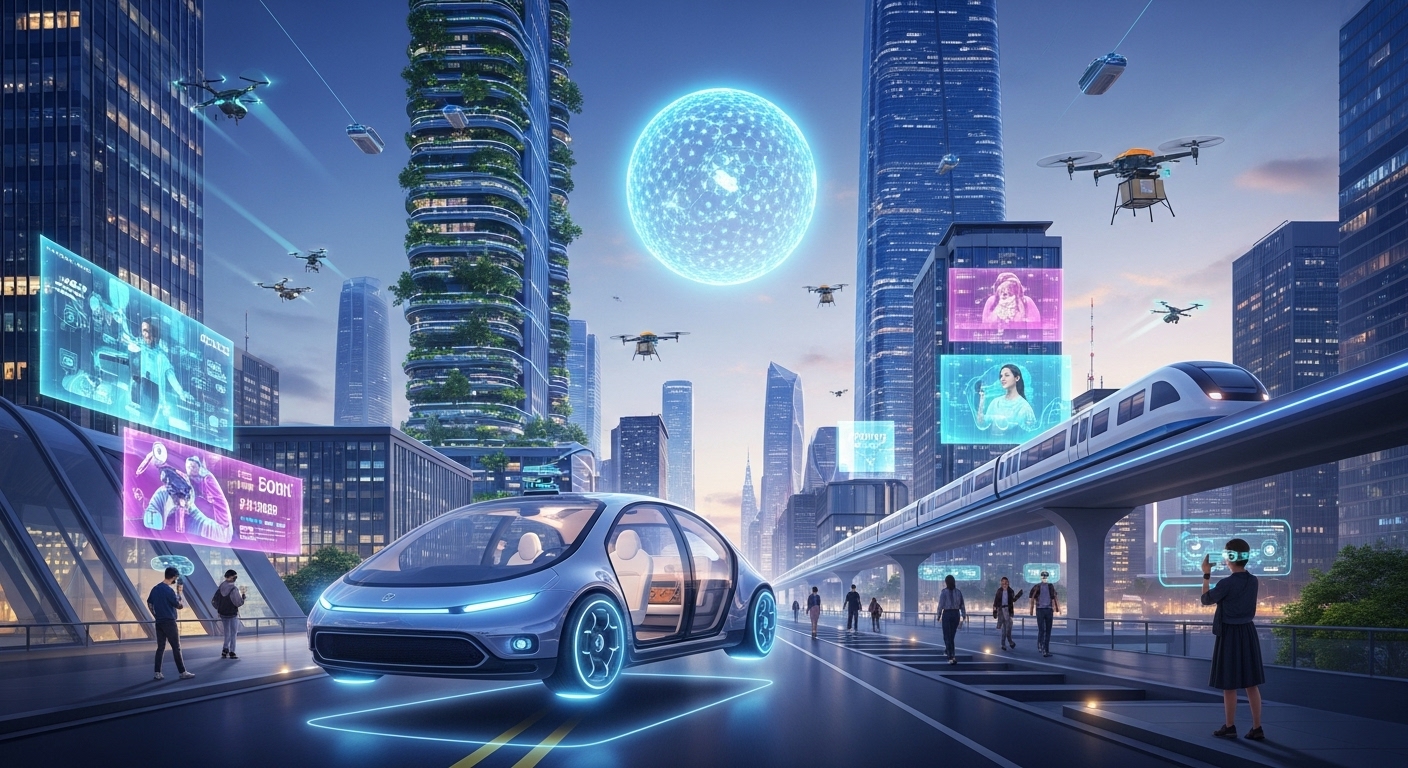
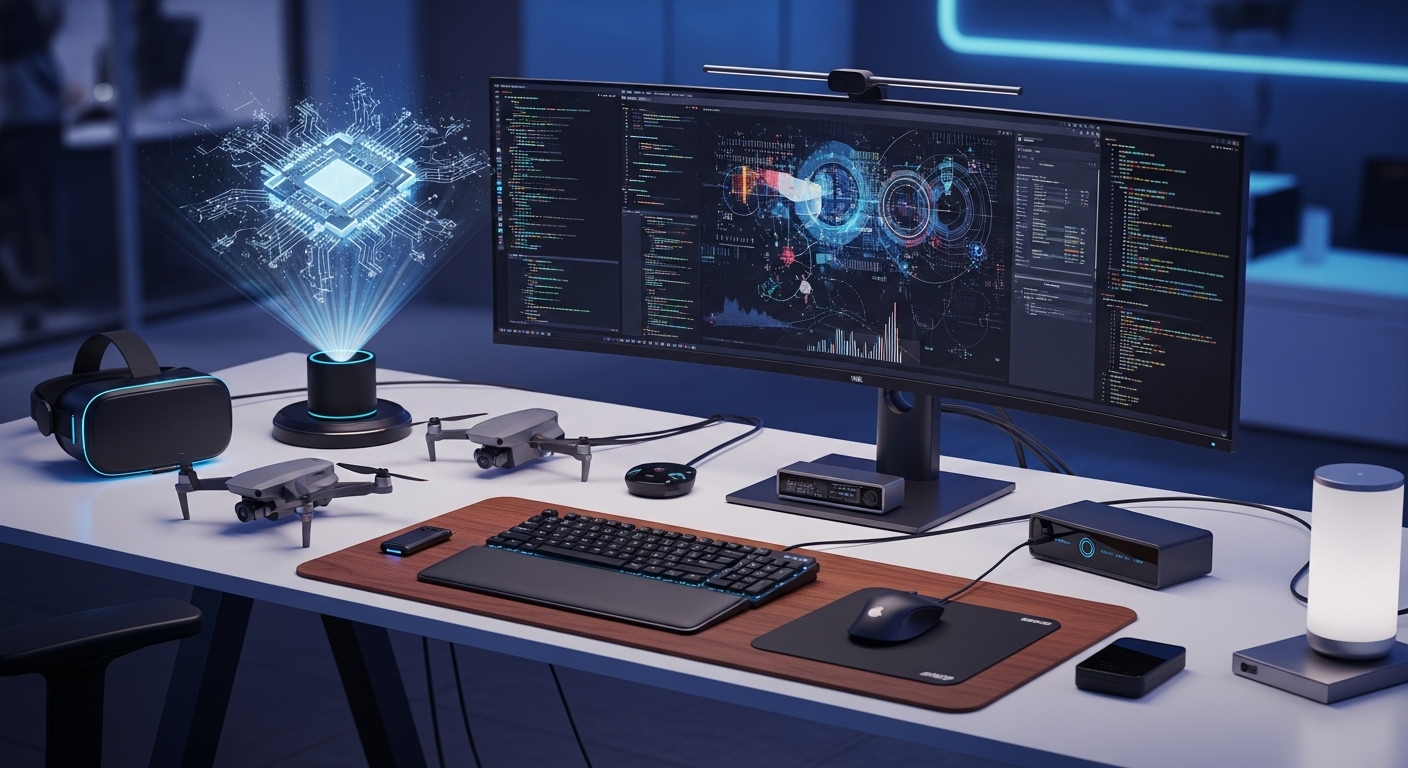
In the 21st century, technology has become an integral part of everyday life, touching almost every aspect of how we live, work, and interact. From the smartphones in our pockets to the cloud-based systems that power businesses, technology is no longer a mere convenience—it is a fundamental part of our existence. The rapid pace of innovation and the increasingly ubiquitous presence of digital tools have transformed the world in ways that were once unimaginable.
This blog explores how technology is reshaping various sectors—from healthcare and education to business and entertainment. We will dive into the ways technological advancements are revolutionizing the world, the challenges that come with this transformation, and the possibilities that lie ahead.
The Digital Transformation of Society
Over the past few decades, technology has ushered in what is often referred to as the digital transformation. This shift is not just about the replacement of analog tools with digital alternatives, but rather a fundamental change in the way we approach life, work, and society at large.
The Rise of the Internet
The internet has arguably been the most transformative technology in human history. In the late 20th century, the internet became accessible to the public, and within a few years, it changed the way we communicate, share information, and even think about the world. Social media platforms, messaging apps, and online communities have replaced traditional communication methods, allowing people to connect across continents in real-time.
The internet has also democratized information. With just a few clicks, people can access vast amounts of knowledge, from scientific research and news reports to DIY tutorials and entertainment. The global reach of the internet has not only connected individuals but also facilitated the creation of a global economy, where digital commerce thrives.
The Growth of Smart Devices
In parallel with the rise of the internet, the Internet of Things (IoT) has emerged. This network of interconnected devices, ranging from smart thermostats and refrigerators to wearables like fitness trackers, has created a seamless digital experience in everyday life. Smart homes, equipped with devices that can be controlled remotely, have become more commonplace, as consumers seek greater convenience and control.
Smartphones, too, have become indispensable tools for modern life. From browsing the web and staying connected with friends to managing finances and tracking health, smartphones have transformed the way we interact with technology. They have become the central hub for much of our daily digital interaction, allowing us to manage multiple aspects of life from a single device.
Technology in Healthcare: A Revolution in Medicine
One of the most impactful areas where technology is making a significant difference is in healthcare. Innovations in medical technology, from diagnostic tools to treatment methods, have made healthcare more efficient, accessible, and effective.
Telemedicine
One of the most notable advancements is the rise of telemedicine, which allows patients to consult with doctors remotely. With video consultations, patients no longer need to travel long distances to see a specialist. This technology has proven particularly valuable in rural and underserved areas, where access to healthcare services may be limited. During the COVID-19 pandemic, telemedicine experienced rapid growth, proving its potential to offer safe and convenient care.
AI and Machine Learning in Diagnostics
Artificial intelligence (AI) and machine learning (ML) are also playing a transformative role in healthcare. AI algorithms are now capable of analyzing medical data, such as X-rays, MRIs, and lab results, to detect conditions like cancer, heart disease, and neurological disorders with incredible accuracy. In some cases, these systems can even predict potential health risks before symptoms appear, enabling preventative care and personalized treatment plans.
Wearables and Health Monitoring
Wearable devices, such as fitness trackers and smartwatches, have given individuals the ability to monitor their health in real-time. These devices can track heart rate, sleep patterns, physical activity, and even blood oxygen levels, providing users with valuable insights into their health. Furthermore, these devices can alert users to potential issues, such as abnormal heart rhythms or high blood pressure, allowing for early intervention.
Technology in Education: Expanding Access and Enhancing Learning
Technology is also playing a pivotal role in the education sector, transforming how students learn and teachers teach. From online courses to virtual classrooms, technology is making education more flexible, inclusive, and accessible.
E-Learning and Online Education
The rise of e-learning platforms has made education accessible to anyone with an internet connection. Websites like Coursera, Khan Academy, and edX offer online courses from top universities and institutions, often for free or at a low cost. This has created new opportunities for lifelong learning and skill development, enabling individuals to improve their knowledge and career prospects without the traditional constraints of time and location.
In addition, technology has enabled schools and universities to adopt blended learning models, where students can access both in-person and online resources. This flexibility allows students to learn at their own pace, review lessons as needed, and collaborate with peers in virtual settings.
Virtual Classrooms and Remote Learning
The COVID-19 pandemic highlighted the importance of remote learning technologies. With schools around the world closed, many educational institutions quickly adopted virtual classroom platforms like Zoom, Google Classroom, and Microsoft Teams to continue teaching students. Although this shift to online learning presented challenges, such as the digital divide and lack of face-to-face interaction, it also accelerated the development and adoption of e-learning technologies.
Augmented Reality (AR) and Virtual Reality (VR)
The use of AR and VR in education is still in its infancy, but it holds enormous potential to change how students learn. These immersive technologies can simulate real-world environments or create interactive experiences that enhance understanding. For instance, medical students can practice surgeries in a virtual setting, while history students can take virtual field trips to ancient civilizations. As these technologies become more affordable, they are expected to play an increasingly significant role in education.
Technology in Business: Driving Innovation and Efficiency
The influence of technology is perhaps most visible in the world of business. Companies across industries are adopting digital tools to streamline operations, improve efficiency, and drive innovation.
Automation and Artificial Intelligence
One of the most profound shifts in business has been the rise of automation and AI. Routine tasks that once required human intervention are now being handled by machines, freeing up employees to focus on more complex, creative work. AI is used to optimize supply chains, manage inventory, and even predict consumer behavior, enabling companies to make data-driven decisions that improve customer satisfaction and reduce costs.
Cloud Computing
The adoption of cloud computing has transformed how businesses operate, making it easier to store and share data, collaborate remotely, and scale operations without the need for expensive on-premises infrastructure. With cloud-based software, businesses can access a variety of tools for everything from customer relationship management (CRM) to accounting, all from a single platform. This has leveled the playing field, allowing smaller businesses to compete with larger enterprises by lowering the cost of IT infrastructure.
E-Commerce and Digital Marketing
The growth of e-commerce has reshaped retail and consumer behavior. Online shopping platforms like Amazon and Alibaba have disrupted traditional brick-and-mortar stores, offering customers the ability to shop from anywhere at any time. Moreover, businesses are increasingly relying on digital marketing strategies, including social media, email campaigns, and search engine optimization (SEO), to reach customers more effectively. Technology has provided businesses with the tools to better understand their customers and personalize their offerings.
Technology and Sustainability: Balancing Innovation with Environmental Responsibility
As technology continues to advance, there is a growing need to consider its impact on the environment. The sustainability of technological innovation has become a critical issue, with industries looking for ways to minimize their environmental footprint while still benefiting from the advantages that technology provides.
Green Technology
One area where technology is making a positive impact is in the development of green technologies. Solar panels, wind turbines, and electric vehicles are just a few examples of innovations aimed at reducing carbon emissions and promoting sustainability. Advances in energy storage, smart grids, and energy-efficient devices are also helping to create a more sustainable future.
Circular Economy and Recycling
As technology becomes more ingrained in society, electronic waste (e-waste) has become a significant environmental challenge. However, technology is also being used to address this problem. Recycling programs and initiatives aimed at reducing e-waste are gaining traction, and there is growing interest in the circular economy, where products are designed to be reused, refurbished, or recycled rather than discarded.
The Future of Technology: What Lies Ahead?
As we look to the future, it’s clear that the pace of technological advancement will only accelerate. Emerging fields like quantum computing, biotechnology, and blockchain are poised to revolutionize industries and reshape society in ways that are hard to predict.
We can expect even more integration of artificial intelligence and machine learning in our daily lives, as well as further advancements in biometrics, 5G, and autonomous vehicles. The digital divide will remain a challenge, but efforts to provide greater access to technology in underserved regions may help bridge this gap.
Moreover, the ethical considerations of emerging technologies will play an increasingly important role. As AI systems become more sophisticated, questions surrounding data privacy, automation, and the role of humans in a digitally driven world will demand careful thought and regulation.